

As A Life Health Group, we aim to provide the most up-to-date knowledge and treatment methods for women’s health. Uterine fibroids, a common health issue in women, can negatively affect both quality of life and fertility. Hysteroscopic myomectomy, used in the surgical treatment of fibroids, is a minimally invasive method that offers patients a safe, fast, and comfortable recovery process.
In this comprehensive article, we will cover all the details about hysteroscopic myomectomy, answer frequently asked questions about the treatment process, and explain how this procedure is performed at A Life Health Group.
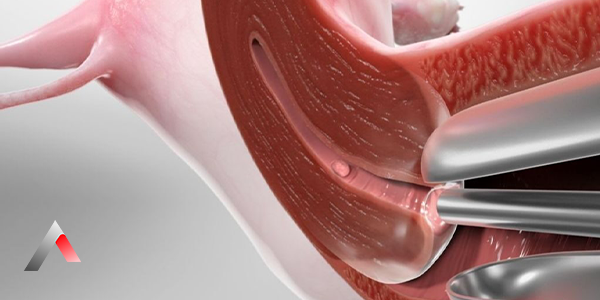
Hysteroscopic myomectomy is a modern surgical method applied to remove fibroids located inside the uterus. During the procedure, a hysteroscope, which is a thin camera and surgical instrument inserted through the cervix, is used. This device allows direct visualization of the uterine cavity and controlled removal of the fibroids.
The hysteroscopic method is especially preferred for fibroids located on the inner surface of the uterus that distort the uterine cavity. The most important advantage of this technique is that no abdominal incision is made, resulting in a shorter recovery period. Compared to traditional surgeries, it causes less pain, less bleeding, and allows a quicker return to daily life.
Fibroids are benign tumors that develop in the uterus. Medically, they are also referred to as myomas. These growths can be seen in approximately 20–40% of women and are often harmless; however, depending on their size and location, they can cause significant symptoms.
The main problems caused by fibroids include:
Surgically removing fibroids in the uterus is important both for relieving symptoms and for increasing fertility chances.
Hysteroscopic myomectomy is particularly effective for removing fibroids located within the uterine cavity. This method is preferred in the following situations:
For larger fibroids or those deeply embedded in the uterine wall, the hysteroscopic approach alone may not be sufficient. In such cases, laparoscopic or open surgical options may be considered.
This surgical method offers numerous benefits for both the patient and the surgeon:
The steps of the surgery are as follows:
The surgery typically lasts 30–60 minutes, depending on the number and size of the fibroids.
For more information about hysteroscopic myomectomy, contact us!
At A Life Health Group, we are here to determine the best treatment option for you and guide you through the hysteroscopic myomectomy process. We look forward to seeing you!
At A Life Health Group, we aim to provide the most up-to-date information and treatment methods for women’s health. Uterine fibroids, a common health issue in women, can negatively affect both quality of life and fertility. Hysteroscopic myomectomy, a minimally invasive surgical method used to treat fibroids, offers patients a safe, fast, and comfortable recovery process.
In this comprehensive article, we will cover all the details about hysteroscopic myomectomy, answer questions about the treatment process, and explain how this procedure is performed at A Life Health Group.
Last Updated: 6 Kasım 2025 14:05
Publish Date: 28 Eylül 2024 04:46

Please fill in the fields below so that we can reach you
We are here for all your questions and problems 24/7.


 TR Türkçe
 EN English
 0 (850) 888 54 33


 E-Appointment
 E-Appointment
  E-Result















 0 (850) 888 54 33
 WhatsApp
 E-Appointment