Myomectomy

A Clear and Understandable Guide

At A Life Health Group, we aim to provide the most up-to-date information and methods regarding women’s health. Myomectomy is an effective method for treating uterine fibroids, and it is important to understand whether it is the right option for you. This comprehensive guide will explain everything you need to know about myomectomy, inform you about the details of the treatment, and ensure you receive care safely at A Life Health Group.

What is Myomectomy?

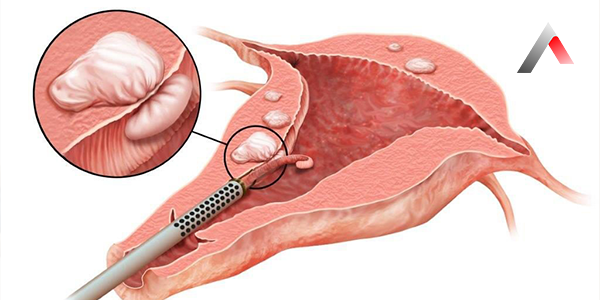
Myomectomy is a surgical procedure performed to remove uterine fibroids. Uterine fibroids are benign (non-cancerous) tumors that develop in the uterine wall. They often show no symptoms, but when they grow, they can cause pain, heavy bleeding, infertility, and urinary problems.

Fibroids can occur in 20-40% of women at some point in their lives. Their size can range from millimeters to 20 cm, and they may appear as single or multiple nodules. Hormone levels, genetic factors, and age play a role in fibroid development.

Myomectomy aims to remove fibroids while preserving the uterus. Unlike procedures such as hysterectomy, which require complete removal of the uterus, myomectomy preserves fertility and has minimal impact on hormonal balance.

Myomectomy-_fe53238f.webp

Types of Fibroids and Their Relation to Myomectomy

  • Subserosal Fibroids
    • Develop on the outer surface of the uterus. They can press on surrounding organs and often cause abdominal pain or urinary complaints. Subserosal fibroids are generally removed through laparoscopic or abdominal myomectomy.
  • Intramural Fibroids
    • Located within the uterine muscle tissue and are the most common type. They can lead to increased menstrual bleeding, pelvic pressure, and fertility issues. These fibroids can be removed via both laparoscopic and abdominal surgery.
  • Submucosal Fibroids
    • Grow toward the uterine lining and can significantly increase menstrual bleeding. They can be removed minimally invasively through hysteroscopic myomectomy.
  • Pedunculated Fibroids
    • Attached to the uterine wall by a stalk. Twisting of the stalk or interruption of its blood supply can cause severe pain. Laparoscopic intervention is generally suitable.

Types of Myomectomy

Laparoscopic Myomectomy

  • Small incisions are made in the abdominal area, and a thin camera along with surgical instruments are inserted.
  • Advantages:
    • Less pain
    • Faster recovery
    • Shorter hospital stay
  • Surgical Steps:
    1. General anesthesia is administered.
    2. 3-4 small incisions are made in the abdomen.
    3. Camera and surgical instruments are inserted.
    4. Fibroids are removed and the uterus is repaired.
    5. Incisions are closed.

Hysteroscopic Myomectomy

  • A thin camera and surgical instruments are inserted through the cervix. Preferred for intrauterine fibroids.
  • Advantages:
    • No external uterine incision
    • Shorter recovery time
    • Minimal impact on hormones and fertility
  • Surgical Steps:
    1. General or spinal anesthesia is administered.
    2. Hysteroscope is inserted into the uterus.
    3. Fibroids are removed or fragmented and extracted.
    4. The uterine cavity is cleaned and the procedure is completed.

Abdominal Myomectomy

  • A large incision is made in the abdominal area to remove fibroids. Used for large or multiple fibroids.
  • Advantages:
    • Allows removal of fibroids over a wide area
    • Multiple fibroids can be removed in a single session
  • Surgical Steps:
    1. General anesthesia is administered.
    2. A midline incision is made in the abdomen.
    3. Fibroids are removed.
    4. The uterus and abdomen are closed.

Robotic Myomectomy

  • Similar to laparoscopic surgery but performed with robotic arms.
  • Advantages:
    • High precision
    • Less bleeding
    • Faster recovery
  • Surgical Steps:
    1. Connection is established with the robotic system.
    2. The surgeon controls the robotic arms from the console.
    3. Fibroids are removed and the uterus is repaired.
    4. The robotic system is removed, and incisions are closed.

Who Is Eligible for Myomectomy?

Myomectomy can be performed in the following situations:

  • Pain: Abdominal, back, or pelvic pain caused by fibroids.
  • Excessive bleeding: Heavy and prolonged menstrual bleeding.
  • Infertility: Pregnancy issues caused by fibroids.
  • Urinary problems: Frequent urination, urinary incontinence, or difficulty urinating.
  • Other symptoms: Constipation, a feeling of pressure, or pain during sexual intercourse.

Preparations Before Myomectomy

  • Medical history evaluation: Review of medications, allergies, and chronic illnesses.
  • Physical examination: Pelvic exam and ultrasound to determine the size and location of fibroids.
  • Blood tests: To check if you are ready for surgery.
  • Medication adjustment: Some medications may need to be stopped before surgery.
  • Fasting: Eating and drinking may be restricted for a certain period before the operation.
  • Psychological preparation: Preoperative counseling and information help reduce stress.
  • Dietary regimen: A diet rich in iron and protein supports postoperative recovery.

Recovery After Myomectomy

  • Hospital stay: You will generally need to stay in the hospital for 1–2 days.
  • Pain management: Pain will be managed with prescribed pain medications after surgery.
  • Rest: It is important to rest and avoid strenuous activities after surgery.
  • Recovery time: Recovery time varies depending on the type of procedure and the patient’s overall health. Generally, you can return to normal activities within a few weeks.
  • Sexual intercourse: Do not engage in sexual activity without your doctor’s approval.
  • Psychological support: Psychological counseling is recommended for anxiety and stress after surgery.


Risks After Myomectomy

  • Bleeding: There is a risk of bleeding after surgery.
  • Infection: There is a risk of infection following any surgical procedure.
  • Uterine rupture: There is a risk of uterine rupture during or after the surgery.
  • Infertility: There may be a risk of infertility after the procedure.
  • Recurrence of fibroids: There is a risk that fibroids may recur after surgery. New fibroids can develop, especially in individuals with high hormone levels.

Myomectomy and Pregnancy

  • Myomectomy preserves fertility
  • Pregnancy risk varies depending on the location of the fibroid
  • Risks of preterm birth, miscarriage, and cesarean delivery are assessed
  • Women planning pregnancy are advised to wait at least 3–6 months after surgery
  • Regular ultrasound monitoring is required for fibroids that grow during pregnancy
Pre- and Post-Myomectomy Nutrition Recommendations
  • Iron-rich foods: Red meat, legumes, dried fruits
  • Antioxidant foods: Fruits and vegetables, especially red and green varieties
  • High-fiber foods: Reduce risk of constipation
  • Water intake: At least 2 liters per day
  • Foods supporting hormonal balance: Leafy greens, soy products, omega-3 fatty acids

Post-Myomectomy Follow-up

  • Check-ups: Your doctor will schedule regular follow-up examinations after surgery
  • Medications: Your doctor may prescribe certain medications
  • Lifestyle changes: Your doctor may provide recommendations for a healthy lifestyle
Myomectomy and Psychological Effects
  • Stress in daily life due to pain and bleeding
  • Concerns about pregnancy and fertility
  • Post-surgical anxiety
  • Support groups and psychological counseling accelerate recovery
Alternative and Supportive Treatment Methods
  • Uterine Artery Embolization (UAE): The blood vessels supplying the fibroid are blocked, cutting off its nourishment.
  • MR-guided Focused Ultrasound (FUS): The fibroid is reduced or eliminated using focused sound waves.
  • Hormonal therapies: Temporary reduction can be achieved with GnRH agonists.
  • Supportive herbal and natural methods: Green tea, nettle tea, vitamin D supplementation.
  • Yoga and light exercise: Beneficial for hormone balance and overall health.
Myomectomy at A Life Health Group
  • Experienced medical team: At A Life Health Group, we have a team of experienced physicians specialized in women’s health.
  • State-of-the-art technology: A Life Health Group performs myomectomy operations using the latest technology.
  • Safe and comfortable environment: A Life Health Group ensures that patients receive treatment in a safe and comfortable environment.
  • Personalized treatment: A Life Health Group prepares personalized treatment plans for each patient.
  • Affordable prices: A Life Health Group provides services at reasonable prices.
    Contact us to learn more about myomectomy!

At A Life Health Group, we are here to determine the best treatment option for you and inform you about the myomectomy process. We are looking forward to seeing you!

Frequently Asked Questions (FAQ)
  • Can I get pregnant after myomectomy?
    Yes, fertility is preserved. Doctor consultation is required before planning a pregnancy.

  • Do fibroids recur?
    Yes, new fibroids may develop. Regular check-ups are important.

  • What is the difference from a hysterectomy?
    Myomectomy preserves the uterus, while hysterectomy removes it completely.

  • What is the recovery time?
    It varies between 2–6 weeks, depending on the type of surgery.

  • Is nutrition effective?
    While not sufficient on its own, it can support hormone balance and reduce the risk of recurrence.

  • Is psychological support necessary?
    Yes, support is recommended for anxiety and stress after surgery.

  • Does fibroid size affect the surgery decision?
    Yes, for large fibroids, abdominal or robotic myomectomy may be preferred.

  • Can I exercise after surgery?
    Light walking and exercise can begin after approval from your doctor.

  • Is pain normal after myomectomy?
    Yes, mild to moderate pain is normal and can be managed with painkillers.

  • When can I resume sexual activity after surgery?
    Generally, sexual activity can be resumed 4–6 weeks after surgery with doctor approval.

Prepared by A Life Medical Editorial Board.

Last Updated: 6 Kasım 2025 14:05

Publish Date: 28 Eylül 2024 04:46

Myomectomy

Quick Application Form

Please fill in the fields below so that we can reach you

Related Departments
Related Doctors
Similar Contents

Do you need help?

We are here for all your questions and problems 24/7.