
Cerebral Angiography

Cerebral Angiography

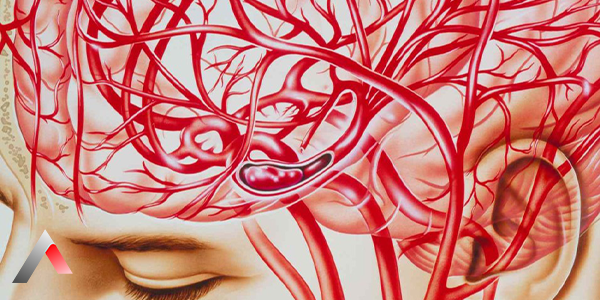
Cerebral angiography is a minimally invasive medical imaging method used to visualize the blood vessels in the brain. This technique is used to detect narrowing, blockages, aneurysms, and other abnormalities in the brain’s blood vessels. Cerebral angiography plays an important role in the diagnosis and treatment of neurological diseases.

Cerebral_Angiography_11be0f55.webp

What is Cerebral Angiography?

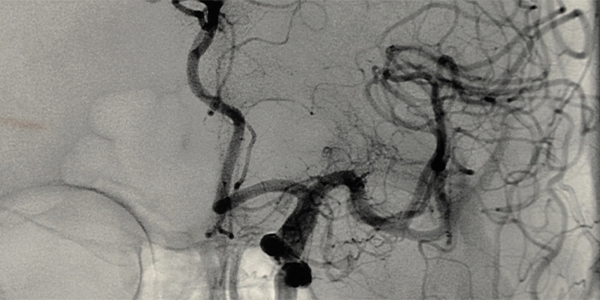
Cerebral angiography is an imaging method used to obtain images of the blood vessels in the brain. In this procedure, a thin catheter (plastic tube) is inserted into an artery, such as the femoral artery in the groin or the radial artery in the arm, and guided to the brain’s blood vessels under X-ray imaging. Contrast material is injected into the vessels through the catheter, and X-ray images are taken. These images provide detailed information about the structure and blood flow of the brain’s vessels.

Why is Cerebral Angiography Performed?

Cerebral angiography is performed to diagnose or evaluate various problems in the brain’s blood vessels. These problems include:

  • Aneurysm: Balloon-like bulges in the brain’s blood vessels
  • Arteriovenous Malformation (AVM): Abnormal connections between brain vessels
  • Artery Narrowing or Blockage: Narrowing or blockage that reduces blood flow to the brain
  • Brain Tumors: The relationship of brain tumors with blood vessels
  • Stroke: Blockage or bleeding in the brain’s vessels
  • Vasculitis: Inflammation of the blood vessels
  • Subarachnoid Hemorrhage: Bleeding between the layers of the brain’s membranes
  • Other vascular diseases in the head and neck region

How is Cerebral Angiography Performed?

Cerebral angiography is usually performed in a radiology laboratory. During the procedure, the patient lies on a table. The area where the intervention will be performed (groin or arm) is cleaned and local anesthesia is applied. Once the anesthesia takes effect, a thin needle is used to access an artery, and a catheter is inserted. The catheter is guided to the brain’s blood vessels under X-ray imaging. Contrast material is injected into the vessels through the catheter, and X-ray images are taken. At the end of the procedure, the catheter is removed, and pressure is applied to the insertion site to stop bleeding. The patient is monitored for a few hours.

Types of Cerebral Angiography

Cerebral angiography can be performed using different techniques:

  • Conventional Angiography: The standard method described above.
  • CT Angiography: An angiography performed using computed tomography (CT). It is a less invasive method and is often used for preliminary evaluation before conventional angiography.
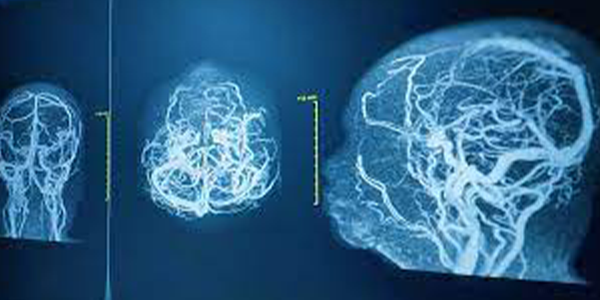
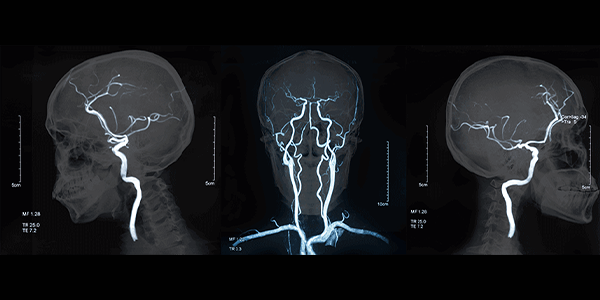
  • MR Angiography: An angiography performed using magnetic resonance imaging (MRI). It can be done without contrast material or with a reduced amount of contrast.

Risks of Cerebral Angiography

Cerebral angiography is generally a safe procedure. However, like any medical intervention, it carries certain risks. These risks include:

  • Bleeding: Bleeding may occur at the catheter insertion site or within the blood vessels.
  • Infection: Infection may develop at the catheter insertion site or in the blood vessels.
  • Allergic Reaction: An allergic reaction to the contrast material may occur.
  • Stroke: Although rare, a stroke may develop during or after the procedure.
  • Kidney Damage: The contrast material may adversely affect kidney function.
Cerebral_Angiography_9f67ba15.webp

Preparation Before Cerebral Angiography

Before cerebral angiography, the patient should follow these preparations:

  • Fasting: You may need to fast for a certain period before the procedure.
  • Medications: Inform your doctor about any medications you are taking. Some medications may need to be stopped before the procedure.
  • Allergies: Notify your doctor if you have any allergies to contrast material or other medications.
  • Kidney Function: Inform your doctor if you have kidney disease.

Post-Procedure Care for Cerebral Angiography

After cerebral angiography, the patient is monitored for a few hours. Pressure is applied to the catheter insertion site to control bleeding. The patient should drink plenty of fluids and follow the doctor’s instructions.

Complications of Cerebral Angiography

Although cerebral angiography is generally a safe procedure, rare complications may occur. These include:

  • Bleeding: At the catheter insertion site or within the brain’s blood vessels.
  • Infection: At the catheter insertion site or in the brain membranes.
  • Allergic Reaction: An allergic reaction to the contrast material.
  • Stroke: Although rare, a stroke may occur during or after the procedure.
  • Kidney Damage: The contrast material may adversely affect kidney function, especially in patients with kidney disease.
  • Vessel Damage: The catheter may cause injury to the vessel wall.
  • Contrast Extravasation: Leakage of contrast material outside the blood vessels.
Frequently Asked Questions (FAQ)
How Long Does a Cerebral Angiography Procedure Take?

A cerebral angiography procedure usually takes 1–2 hours. However, the duration may vary depending on the patient’s condition and the vessels being examined.

Is the Cerebral Angiography Procedure Painful?

You may feel mild discomfort during cerebral angiography. However, since local anesthesia is applied to the catheter insertion site, the procedure is generally not painful. After the procedure, there may be slight pain and bruising at the insertion site.

What Should I Pay Attention to After Cerebral Angiography?

After cerebral angiography, you may need to rest for a few hours. There may be bleeding or bruising at the catheter insertion site. These symptoms usually resolve within a few days. Your doctor will provide instructions on what to watch for after the procedure.
Is the Cerebral Angiography Procedure Risky?

Cerebral angiography is generally a safe procedure. However, like any medical intervention, it carries some risks. These include bleeding, infection, allergic reaction, vessel injury, stroke, and kidney problems. These complications are rare.

What is the Recovery Process After Cerebral Angiography?

The recovery process after cerebral angiography is generally quick. Most patients are discharged on the same day. There may be mild pain and bruising at the catheter insertion site, which usually resolve within a few days. Your doctor will provide guidance on what to watch for after the procedure.
Cerebral Angiography Prices

The cost of cerebral angiography may vary depending on the hospital, the technique used, and any additional procedures performed. For information about cerebral angiography prices at A Life Health Group hospitals, please contact us.

Cerebral Angiography in Ankara

There are many hospitals and medical centers in Ankara where you can have cerebral angiography performed. At A Life Health Group, we offer cerebral angiography services at our hospitals in Ankara. With our experienced radiology specialists and advanced technology, we ensure reliable and fast results.

Cerebral_Angiography_258a05e3.webp
Cerebral Angiography Results

The results of cerebral angiography are evaluated by a radiologist. The radiologist examines the images to assess the structure of the brain’s blood vessels, blood flow, and any abnormalities. The results are used to determine the patient’s treatment plan.

Cerebral Angiography and AVM

Arteriovenous malformation (AVM) is an abnormal connection between the brain’s blood vessels. AVMs can cause brain bleeding or other neurological problems. Cerebral angiography is used to diagnose AVMs and plan their treatment.

Cerebral Angiography and Aneurysm

An aneurysm is a balloon-like bulge in a brain blood vessel. Aneurysms can rupture, causing brain bleeding. Cerebral angiography is the best method to detect aneurysms and evaluate their size, shape, and location.

Cerebral_Angiography_89648f05.webp
Cerebral Angiography and Stroke

A stroke occurs when blood flow to the brain is interrupted. Cerebral angiography can be used to determine the cause of the stroke (vessel blockage or bleeding) and to plan appropriate treatment.

Cerebral Angiography and Other Conditions

Cerebral angiography can also be used in the diagnosis and treatment of brain tumors, vasculitis, and other cerebrovascular diseases.

At A Life Health Group, we are a center offering advanced neurological imaging methods, including cerebral angiography. Our experienced radiology specialists, neurologists, and other healthcare professionals work together to provide you with the best care. For more information about cerebral angiography and to schedule an appointment, please contact us.

Cerebral Angiography

Quick Application Form

Please fill in the fields below so that we can reach you

Related Units
Similar Contents

Do you need help?

We are here for all your questions and problems 24/7.