


 TR Türkçe
 EN English
 0 (850) 888 54 33


 E-Appointment
 E-Appointment
  E-Result

Angiography Unit


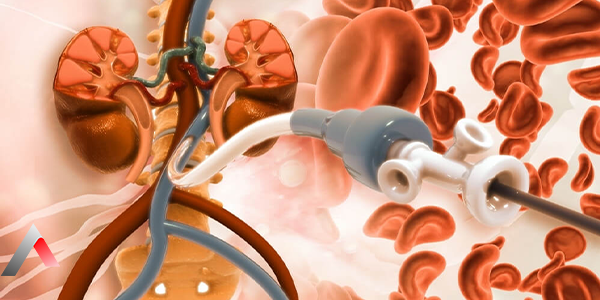
Peripheral angiography is a radiological imaging method used to visualize the blood vessels in areas such as the arms, legs, neck, and abdomen. In this procedure, a thin catheter is inserted through the groin or arm, and an iodine-based contrast agent is injected into the vessels while X-ray images are taken. Peripheral angiography is used to diagnose vessel narrowing, blockage, aneurysms, and other vascular diseases. In this article, frequently asked questions about peripheral angiography will be answered to help you understand this important imaging technique.
Peripheral Angiography Service at A Life Health Group
At A Life Health Group, we provide peripheral angiography services with our experienced radiology specialists and advanced angiography units. The procedure is performed with the patient’s comfort and safety as a priority, and a detailed report is prepared and presented to your doctor for treatment planning.
Peripheral angiography is a radiological imaging method used to visualize the blood vessels in areas such as the arms, legs, neck, and abdomen. In this procedure, a thin catheter is inserted through the groin or arm, and an iodine-based contrast agent is injected into the vessels while X-ray images are taken. Peripheral angiography is used to diagnose vessel narrowing, blockage, aneurysms, and other vascular diseases.
Peripheral angiography can be performed in the following cases:
Peripheral angiography is usually performed in a hospital or imaging center. The steps before, during, and after the procedure are as follows:
Peripheral angiography is generally a safe procedure, but like any medical intervention, it carries some risks and complications. These may include bleeding, infection, allergic reaction, vessel damage, blood clot formation, and kidney problems.
The recovery process after peripheral angiography is generally short and straightforward. It is recommended to rest for a few hours after the procedure and drink plenty of fluids. Mild pain, bruising, or swelling may occur at the procedure site. These symptoms usually resolve within a few days. Your doctor will provide guidance on precautions to take after the procedure.
The prices of peripheral angiography may vary depending on the center where the procedure is performed, the type of procedure, and the patient’s insurance status. You can contact the center before the angiography to get information about the cost.
The peripheral angiography procedure usually takes 30–60 minutes. However, the duration may vary depending on the patient’s condition and the vessels being examined.
You may feel slight discomfort during the peripheral angiography procedure. However, since local anesthesia is applied to the catheter insertion site, the procedure is generally not painful.
After a peripheral angiography procedure, you may need to rest for a few hours. Bleeding or bruising may occur at the catheter insertion site. These symptoms usually resolve within a few days. Your doctor will provide guidance on what to watch for after the procedure.
Peripheral angiography is generally a safe procedure. However, like any medical intervention, it carries some risks. These risks may include bleeding, infection, allergic reaction, vessel damage, and kidney problems. However, these complications are rare.
Peripheral artery disease (PAD) is a condition caused by the narrowing or blockage of arteries in the legs and arms. This condition can lead to symptoms such as leg pain, numbness, tingling, and delayed wound healing.
Deep vein thrombosis (DVT) is the formation of a blood clot in the deep veins of the legs. This condition can cause symptoms such as leg pain, swelling, redness, and increased warmth. DVT is a serious condition and can lead to life-threatening complications, such as pulmonary embolism.
Please fill in the fields below so that we can reach you
We are here for all your questions and problems 24/7.

 0 (850) 888 54 33
 WhatsApp
 E-Appointment