


 TR Türkçe
 EN English
 0 (850) 888 54 33


 E-Appointment
 E-Appointment
  E-Result

Angiography Unit


A pacemaker is a small device used to regulate these rhythm disorders and ensure the heart beats normally. The heart is a vital organ at the center of our life and must work continuously. Heart rhythm disorders disrupt the normal functioning of the heart, leading to various health problems.
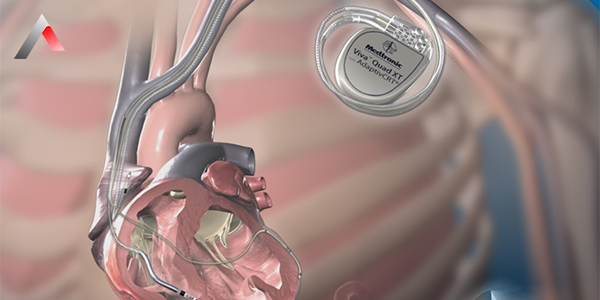
A pacemaker is a small, battery-operated device used to ensure the heart beats at a normal rhythm. The pacemaker is placed under the skin of the chest and sends electrical signals to the heart through thin wires (electrodes). These signals help the heart beat regularly.
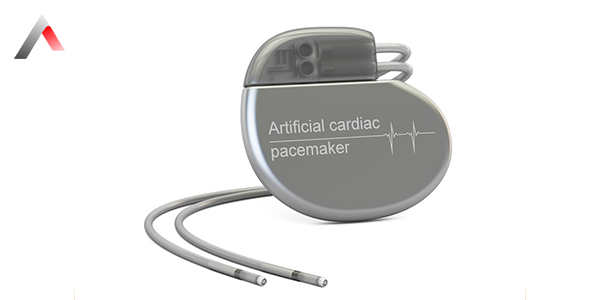
A pacemaker is a small device used to regulate the heart’s rhythm. When the heart beats too fast, too slow, or irregularly, the pacemaker activates to ensure the heart beats at a normal rhythm. Pacemaker implantation is generally a relatively simple surgical procedure performed under local anesthesia.
Here is a general overview of how a pacemaker is implanted:
1.Preparation:
2.Pacemaker Placement:
3.Electrode Placement:
4.Pacemaker Programming and Testing:
5.Closing the Incision:
Postoperative Care:
Risks of Pacemaker Implantation:
A Life Sağlık Grubu has experienced cardiologists and cardiac surgeons specialized in pacemaker implantation and other cardiology services. Our hospital provides the best treatment options using the latest technology and methods.
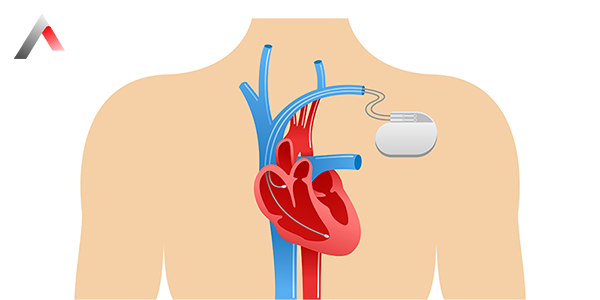
A pacemaker is used to treat heart rhythm disorders (arrhythmias). Heart rhythm disorders can occur as a heart beating too slowly, too quickly, or irregularly. In these cases, a pacemaker helps the heart beat at a normal rhythm, alleviating symptoms and improving quality of life.
A pacemaker may be implanted in patients with the following conditions:
There are different types of pacemakers:
Pacemaker surgery is a minor surgical procedure performed under local anesthesia. A small incision is made under the chest skin, and the pacemaker device is placed through this incision. The pacemaker leads are advanced through a vein to the heart and positioned in the appropriate area. The incision is then closed with sutures.
After pacemaker surgery, the patient is monitored for a few hours. There may be pain and tenderness at the incision site. Most patients can return to their normal activities within a few days.
The lifespan of a pacemaker depends on its type and how frequently it is used. Typically, it lasts between 5 and 10 years. When the battery runs out, it is replaced through a minor procedure.
Patients with a pacemaker can live a normal life, but they should take certain precautions. These include:
Pacemaker prices vary depending on the type, brand, and any additional procedures performed. For information about pacemaker prices at A Life Health Group hospitals, please contact us.
There are many hospitals and heart centers in Ankara where pacemakers are implanted. At A Life Health Group, we offer pacemaker implantation services in our Ankara hospitals. With our experienced cardiology specialists and advanced technology, we achieve successful outcomes.
Although pacemaker implantation is generally safe, some rare complications may occur. These include:
Traditional pacemakers can be affected by the strong magnetic fields generated by Magnetic Resonance Imaging (MRI) machines. Therefore, in the past, patients with pacemakers could not undergo MRI scans. However, in recent years, MRI-compatible pacemakers have been developed, allowing MRI scans to be performed under specific conditions. MRI-compatible pacemakers are designed to resist interference from the magnetic fields of MRI devices.
Patients with pacemakers can participate in most sports activities. However, they should avoid sports that could result in a direct blow to the pacemaker area (such as boxing or wrestling). In addition, they should consult their doctor before starting any new physical activity.
Patients with pacemakers can travel safely but should take certain precautions before traveling. These include:
Patients with pacemakers do not need to follow a special diet. However, maintaining a healthy eating plan is important for overall heart health. The following recommendations should be considered:
As A Life Health Group Heart Center, we specialize in pacemaker implantation and follow-up services. Our experienced cardiologists, cardiovascular surgeons, and other healthcare professionals work together to provide you with the best possible care. For more information about pacemakers and to schedule an appointment, please contact us.
Please fill in the fields below so that we can reach you
We are here for all your questions and problems 24/7.

 0 (850) 888 54 33
 WhatsApp
 E-Appointment