


 TR Türkçe
 EN English
 0 (850) 888 54 33


 E-Appointment
 E-Appointment
  E-Result

Andrology Unit


TESE surgery, medically known as Testicular Sperm Extraction, is a procedure to obtain sperm from the testicular tissue of men who have no sperm in their semen (azoospermia) through a surgical method. This procedure requires a delicate surgical intervention performed under a microscope. The sperm obtained through TESE surgery can be used to fertilize the partner’s eggs via in vitro fertilization (ICSI).
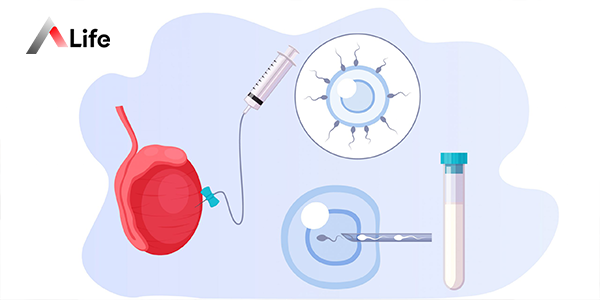
In micro TESE surgery, a small incision is made on the testes, and the testicular tissue is examined under a microscope. The use of a microscope allows surgeons to better identify areas of sperm production and obtain tissue samples from these regions. The collected tissue samples are then examined in the laboratory for the presence of sperm.

TESE surgery can be performed on men in the following situations:
Before TESE surgery, a comprehensive evaluation is conducted to determine the cause of infertility. This includes a physical examination, hormonal testing, genetic testing, and semen analysis.
Before TESE surgery, the patient must undergo a thorough evaluation. This assessment includes the following steps:
TESE surgery can be performed using two different techniques:
Both techniques are performed under general anesthesia, and the surgery typically lasts between 1 to 2 hours.
Recovery Process:
Possible Complications:
TESE surgery is generally a safe procedure, but some complications may occur. These include bleeding, infection, hematoma (blood accumulation), and testicular injury.
Sperm Retrieval Rate:
The success rate of sperm retrieval during TESE surgery varies depending on several factors, including the patient’s age, cause of infertility, and testicular function. On average, the sperm retrieval rate with the micro-TESE technique is around 50–60%.
Pregnancy Success Rate:
When sperm obtained through TESE are used in in vitro fertilization (ICSI), pregnancy success rates are comparable to those achieved with standard IVF procedures.
The sperm retrieved through TESE surgery is most commonly used to fertilize the partner’s eggs via in vitro fertilization (ICSI). ICSI (intracytoplasmic sperm injection) is an IVF technique in which a single sperm cell is injected directly into an egg using a microinjection method. This technique increases the chances of pregnancy in cases of low sperm count or poor sperm motility.
The sperm obtained through TESE can also be preserved through sperm freezing, ensuring availability for future IVF treatments.
Although TESE surgery is generally safe, like any surgical procedure, it carries certain risks:
These risks are generally low and are further minimized when the procedure is performed by an experienced surgeon. During the preoperative consultation, your doctor will provide detailed information about the potential risks of the surgery.
The cost of TESE surgery varies depending on the type of procedure (classic TESE or micro TESE), hospital policies, and other factors. At A Life Health Group, we offer TESE surgery packages tailored to different needs and budgets.
A Life Health Group has a team of experienced urology specialists specialized in micro TESE surgery. We provide services using the latest technologies and methods. For detailed information and appointments, you can contact us directly.
A Life Health Group has a team of experienced urology specialists dedicated to TESE surgery. We offer personalized treatment plans using the latest technology and methods, and provide comprehensive support and follow-up before and after the surgery.
Advantages of A LifeHealth Group:
1.Is TESE surgery painful?
Since the surgery is performed under general anesthesia, you will not feel pain during the procedure. After the surgery, there may be mild pain in the testicles for a few days, but this pain can be controlled with painkillers.
2.When will I recover after TESE surgery?
The recovery process varies from person to person, but most patients can return to their normal activities within a few days.
3.What are my chances of finding sperm with TESE surgery?
This depends on many factors (such as your age and the cause of infertility). Your doctor can provide more information on this.
4.What are my chances of conceiving after TESE surgery?
When the sperm obtained from TESE surgery is used with the IVF method, pregnancy success rates are similar to standard IVF procedures.
5.How long after TESE surgery can I have sexual intercourse?
Your doctor will provide information on this. Generally, waiting a few weeks is recommended.
6.Can TESE surgery be repeated?
Yes, TESE surgery can be repeated if necessary.
7.If No Sperm is Found in Micro TESE Surgery
Although it is disappointing if no sperm is found in Micro TESE surgery, it is too early to lose hope. This situation can be an obstacle in the journey to parenthood for couples, and alternative solutions are available.
8.Reasons for No Sperm in Micro TESE Surgery:
9.What Can Be Done if No Sperm is Found in Micro TESE Surgery?
At A Life Health Group, we have a team of experienced urology specialists specialized in Micro TESE surgery and male infertility treatment.
If no sperm is found in Micro TESE surgery, we discuss alternative treatment options with our patients in detail and support them in finding the most suitable solution.
Remember, there is a solution for every situation, and do not lose hope.
10.What should I pay attention to after TESE surgery?
Follow your doctor's recommendations, avoid heavy lifting, keep your wound clean, and do not skip your follow-up appointments.
At A Life Health Group, we have a team specialized in TESE surgery and male infertility treatment. You can contact us for your health and your dreams of becoming a father.

Please fill in the fields below so that we can reach you
We are here for all your questions and problems 24/7.

 0 (850) 888 54 33
 WhatsApp
 E-Appointment