


 TR Türkçe
 EN English
 0 (850) 888 54 33


 E-Appointment
 E-Appointment
  E-Result

Andrology Unit


Nephrolithotomy is a surgical procedure performed to remove stones that have formed in the kidney. This procedure can be carried out using different techniques, depending on the size and location of the kidney stones, the patient’s overall health condition, and other factors. Nephrolithotomy is performed by surgeons specialized in the field of urological surgery.
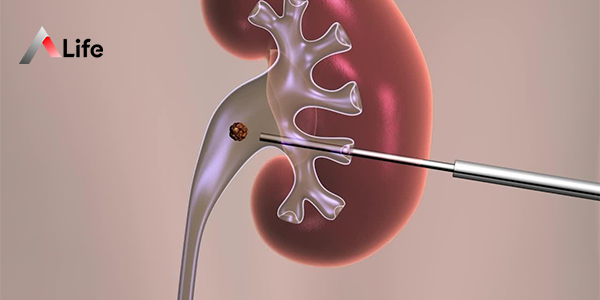
Nephrolithotomy may be performed in the following situations:
Kidney Stones: Kidney stones are hard deposits of minerals and salts that form in the urinary tract. These stones can be small and painless or large and cause severe pain.
Symptoms of Kidney Stones:
Other Treatment Methods: Small kidney stones usually pass on their own or can be removed with medication. However, surgical intervention may be required for large stones or stones that cause symptoms.
There are three main types of nephrolithotomy:
The choice of method depends on the patient’s condition, the size and location of the stones, the surgeon’s experience, and the available facilities of the hospital.
Percutaneous Nephrolithotomy (PNL) Procedure:
Open Nephrolithotomy Procedure:
Laparoscopic Nephrolithotomy Procedure:
Evaluation and Tests:
Before the surgery, the patient’s overall health condition is evaluated, and a series of tests are performed. These tests may include blood tests, urine tests, imaging studies (such as ultrasound, CT, or MRI), and kidney function tests.
Preparation Process:
Prior to the surgery, the patient may need to fast for a certain period. In addition, the use of certain medications may need to be temporarily discontinued. Your doctor will provide detailed instructions regarding the preoperative preparation process.
Recovery Process:
After the surgery, you may need to stay in the hospital for a few days. The recovery process varies from person to person but usually takes several weeks. During this time, you may use pain relievers and limit your activities according to your doctor’s recommendations. It is normal to notice blood in your urine, which typically resolves within a few days.
Lifestyle Changes:
After nephrolithotomy, you may need to make certain lifestyle changes to prevent the recurrence of kidney stones. These changes may include drinking plenty of fluids, reducing salt intake, eating a healthy diet, and engaging in regular physical activity. Your doctor may create a personalized diet plan based on the type of stones you have.
Possible Complications:
Although rare, some complications may develop after nephrolithotomy surgery. These may include bleeding, infection, urinary leakage, kidney injury, and anesthesia-related complications.
As with any surgical procedure, nephrolithotomy carries certain risks. These risks may include bleeding, infection, wound healing problems, injury to nearby organs, urinary leakage, kidney damage, and anesthesia-related complications. However, these complications are rare, and the risk is lower when the surgery is performed by an experienced surgeon. During the preoperative consultation, your surgeon will provide you with detailed information about the potential risks of the procedure.
A Life Health Group has a team of experienced urology surgeons specialized in nephrolithotomy. Using the latest technologies and techniques, we offer personalized treatment plans for our patients. We provide comprehensive support and follow-up services both before and after the surgery.
Advantages offered by A Life Health Group:
At A Life Health Group, we have a specialized team experienced in nephrolithotomy and other urological surgical procedures. You can contact us for your health needs.
Please fill in the fields below so that we can reach you
We are here for all your questions and problems 24/7.

 0 (850) 888 54 33
 WhatsApp
 E-Appointment