
Abdominal Myomectomy

An Effective Option for the Treatment of Uterine Fibroids

As A Life Health Group, we aim to provide our patients with the most up-to-date information and methods regarding women’s health. One of the common gynecological issues in women is uterine fibroids, which often show no symptoms but can sometimes cause significant discomfort and reduce quality of life. Uterine fibroids can lead to various symptoms, including menstrual irregularities, heavy bleeding, pelvic pain, frequent urination, or discomfort during sexual intercourse. Therefore, determining the right treatment method is important for protecting women’s health and improving quality of life.

At this point, abdominal myomectomy emerges as a reliable and effective option for the surgical removal of fibroids. Since each patient’s condition is different, understanding whether this operation is suitable for you provides significant advantages both in preoperative preparation and postoperative recovery. In this comprehensive guide, you can find all the details you are curious about regarding abdominal myomectomy and gain confident information about the treatment process.

What Is Abdominal Myomectomy?

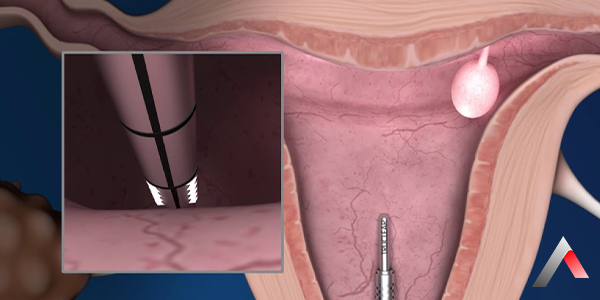
Abdominal myomectomy is a surgical procedure in which fibroids in the uterus are removed through an incision made in the abdominal area. This method is preferred especially in patients with large or multiple fibroids that are not suitable for laparoscopic or hysteroscopic myomectomy. During the surgery, the uterine tissue is preserved, and only the fibroids are removed, allowing women to maintain their ability to conceive in the future.

Because abdominal myomectomy is an open surgery, it allows the surgeon to directly view the uterus and surrounding tissues. This enables the complete removal of fibroids, reducing the risk of recurrence. In addition, the ability to closely examine the uterus and surrounding tissues during the operation helps detect other possible conditions at an early stage.
Abdominal_Myomectomy_d2af7ea7.webp

Who Is Suitable for Abdominal Myomectomy?

Abdominal myomectomy can be performed in various groups of patients:

  • Large fibroids: For fibroids that are too large to be removed using laparoscopic or hysteroscopic techniques.
  • Multiple fibroids: When multiple fibroids are present in the uterus, open surgery is more suitable for complete removal.
  • Deeply embedded fibroids: Preferred for fibroids that are deeply embedded in the uterine wall and difficult to remove with other methods.
  • Previous myomectomy operations: For women who have previously undergone laparoscopic or hysteroscopic myomectomy but experienced fibroid recurrence.
  • Other reasons: In cases of heavy bleeding, severe pelvic pain, or a feeling of pressure, and when other treatment methods have not provided adequate results, abdominal myomectomy may be performed.

This surgery is particularly preferred by women who wish to preserve their fertility and avoid hysterectomy (removal of the uterus).

Advantages of Abdominal Myomectomy:

The benefits of abdominal myomectomy are quite diverse:

  • Complete removal of fibroids: Reduces the risk of recurrence and provides long-term relief.
  • Suitable for large fibroids: Offers an effective solution for large fibroids where laparoscopic methods may be insufficient.
  • Detailed surgical examination: Open surgery allows the surgeon to view the uterus and surrounding tissues in detail.
  • Preservation of fertility: Since the uterus is not removed, the chance of future pregnancy is maintained.
  • Precise tissue management: The surgeon can remove fibroids without damaging the uterine tissue, preserving its integrity.
  • Ideal for recurrent fibroids: Provides an effective solution for patients whose fibroids have recurred despite previous surgical procedures.

How Is an Abdominal Myomectomy Performed?

Before the operation, a detailed evaluation is carried out. Blood tests, ultrasound, or MRI imaging are used to determine the size and location of the fibroids. The procedure is performed in the following stages:

  1. Anesthesia: General anesthesia is administered to keep the patient asleep during the surgery.
  2. Incision: An appropriately sized incision is made in the lower abdominal area.
  3. Removal of fibroids: Through the incision, the uterus is accessed and the fibroids are carefully removed.
  4. Uterine repair: The uterine wall is meticulously closed, and the surgical area is checked.
  5. Closure of the incision: The abdominal incision is closed securely and aesthetically with sutures.

The duration of the operation varies depending on the size and number of fibroids but generally lasts a few hours.

Recovery Process After Abdominal Myomectomy:

Postoperative recovery is crucial for the overall success of the treatment:

  • Hospital stay: You will typically need to remain under observation in the hospital for an average of 2–3 days.
  • Pain management: Postoperative pain is managed with medication prescribed and monitored by your doctor.
  • Rest: It is important to avoid heavy lifting and intense physical activity during the first few weeks.
  • Recovery time: Full recovery generally takes 4–6 weeks but may vary depending on individual health conditions.
  • Sexual activity: Sexual intercourse should not be resumed without your doctor’s approval.
  • Diet and lifestyle: Maintaining a balanced diet and adequate hydration is essential during the recovery period.

Regular follow-up appointments ensure a smooth recovery and help detect any early complications.

Risks After Abdominal Myomectomy:

As with any surgical procedure, certain risks may occur following an abdominal myomectomy:

  • Bleeding: Bleeding may develop during or after the surgery.
  • Infection: The surgical site may become infected; proper hygiene and antibiotic use are important.
  • Wound healing problems: Additional treatment may be required if the incision does not heal properly.
  • Uterine rupture risk: Rarely seen, especially during later pregnancies.
  • Infertility: Although uncommon, fertility may be affected after surgery.
  • Recurrence of fibroids: New fibroids may develop years after the operation.

These risks are significantly minimized when the procedure is performed by experienced surgeons using modern techniques.

Abdominal Myomectomy at A Life Health Group

At A Life Health Group, we perform abdominal myomectomy procedures to the highest standards:

  • Experienced medical team: We provide care with skilled surgeons specialized in obstetrics and gynecology.
  • Modern technology: All operations are performed using state-of-the-art medical equipment under sterile conditions.
  • Safe and comfortable environment: We ensure our patients receive treatment in a secure and comfortable setting.
  • Personalized treatment plan: Each patient’s treatment is customized according to their health status and individual needs.
  • Affordable prices: We aim to provide high-quality healthcare services at accessible costs.

At A Life Health Group, we carry out abdominal myomectomy procedures at the highest standards.

Contact us to learn more about Abdominal Myomectomy!

At A Life Health Group, we are here to help determine the best treatment option for you and to inform you about the abdominal myomectomy process. We look forward to welcoming you!

Prepared by A Life Medical Editorial Board.

Last Updated: 6 Kasım 2025 14:05

Publish Date: 28 Eylül 2024 04:50
Abdominal Myomectomy

Quick Application Form

Please fill in the fields below so that we can reach you

Related Departments
Related Doctors
Similar Contents

Do you need help?

We are here for all your questions and problems 24/7.