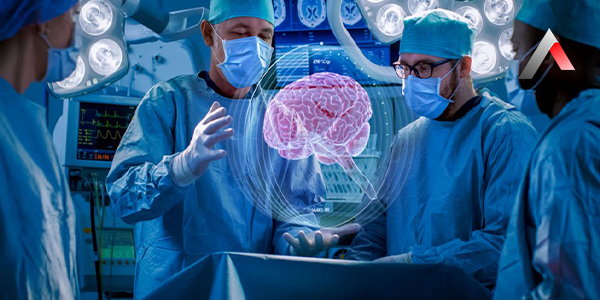

Brain Surgery (Neurosurgery)

What is Brain Surgery?

At A Life Health Group, we aim to provide the highest quality healthcare services to patients of all ages. Brain surgery is an extremely delicate surgical procedure performed on the brain and may be required for various reasons. In this comprehensive guide, we will explain every detail about brain surgery, the preoperative and postoperative processes, potential risks, and the services offered at A Life Health Group. This information will help you understand the treatment process and take steps with confidence.

What_is_Brain_Surgery_d106e028.webp

Why is Brain Surgery Performed?

Brain surgery may be required for various neurological and surgical reasons. The most common reasons are as follows:

  • Brain Tumors: Brain tumors occur due to abnormal cell growth in the brain. They can be benign or malignant. Brain tumors can affect brain functions, leading to headaches, seizures, loss of movement, and cognitive impairments. Depending on the tumor's location and size, surgical removal may be necessary.
  • Neurological Diseases: Brain surgery can be applied in the treatment of neurological diseases such as epilepsy, Parkinson's, and Alzheimer’s. For example, in Parkinson’s patients, deep brain stimulation (DBS) surgery may be performed. This method provides neural stimulation to improve patients’ quality of life.
  • Vascular Diseases: Aneurysms or blockages in brain vessels can lead to serious health problems. Brain surgery may be required to treat these vascular conditions. Methods such as aneurysm surgery or thrombectomy are applied to prevent brain hemorrhage and open blocked vessels.
  • Trauma: Patients with brain damage due to head trauma may require surgery. Surgical intervention can be life-saving, especially in cases of intracranial bleeding or swelling in brain tissue.
  • Skull Anomalies: Brain surgery may be performed to correct congenital or acquired skull anomalies. This ensures proper brain growth and function.
  • Nerve Compression: Pain and functional loss caused by spinal cord or nerve root compression may, in some cases, require brain surgery. These surgeries relieve nerve pressure and improve quality of life.

Types of Brain Surgery

Brain surgeries can be performed using different techniques depending on the surgeon’s choice and the patient’s condition:

  • Open Brain Surgery: A direct incision is made in the skull to access the brain tissue. This method is preferred for large tumors or serious vascular problems.
  • Stereotactic Surgery: Surgical instruments are guided to a specific point in the brain using imaging techniques (CT or MRI). This method is minimally invasive and ideal for precise interventions.
  • Endoscopic Brain Surgery: An endoscope and surgical instruments are inserted through a small incision in the skull. This technique allows faster patient recovery and reduces the risk of postoperative complications.
  • Deep Brain Stimulation (DBS): In Parkinson’s disease and certain types of epilepsy, electrodes are placed inside the brain to provide neural stimulation. This method can be used alongside medication and improves motor functions.

How is Brain Surgery Performed?

The procedure varies depending on the type of surgery, but in general, all surgeries are performed under general anesthesia.

  • Open Brain Surgery: An incision is made in the skull to remove the tumor or problematic tissues. Metal plates or screws may be used to provide bone stability.
  • Stereotactic Surgery: Surgical instruments are guided to a specific point in the brain using imaging techniques.
  • Endoscopic Brain Surgery: An endoscopic device and surgical instruments are inserted through a small incision. This method, being minimally invasive, shortens the recovery time.

The duration of the surgery depends on the type and size of the disease and the surgeon’s experience. A minor procedure may take 1–2 hours, while complex tumor surgeries can take 6 hours or longer.

Brain Surgery Recovery Process:

The recovery process after brain surgery varies depending on the type of surgery and the patient’s overall health.

  • Intensive Care Process: After surgery, you generally need to stay in intensive care for a few days. During this period, brain functions and vital signs are closely monitored.
  • Pain and Discomfort: Headache, pain at the surgical site, and mild swelling are normal. These complaints usually decrease within a few weeks.
  • Physical Therapy and Rehabilitation: Postoperative physical therapy is important to support motor functions and muscle strength. Exercise programs tailored by physiotherapists help patients recover quickly and safely.
  • Activity Restrictions: In the first weeks, heavy physical activities should be avoided. Moving slowly and in a controlled manner supports healthy recovery of the brain and nervous system.

Postoperative Care Guidelines:

  • Take the medications prescribed by your doctor regularly.
  • Get enough rest and avoid strenuous activities.
  • Attend follow-up appointments regularly according to your doctor's instructions.
  • Continue physical therapy: The postoperative rehabilitation program is planned individually by a physiotherapist.

Possible Postoperative Complaints After Brain Surgery:

Some temporary or permanent complaints may occur after surgery:

  • Pain: Headache and pain at the surgical site are normal after surgery.
  • Fatigue: You may experience fatigue and weakness postoperatively.
  • Neurological Symptoms: Temporary or permanent neurological symptoms (e.g., speech disorder, visual impairment, numbness, weakness) may occur after surgery.
  • Infection: There is a risk of infection at the surgical site, and antibiotic treatment may be required.

Is Brain Surgery Risky?

Like any surgical procedure, brain surgery carries certain risks. These include:

  • Bleeding: There is a risk of bleeding after surgery.
  • Infection: There is a risk of infection postoperatively.
  • Nerve Damage: There is a risk of damage to brain tissue or nerves during surgery.
  • Neurological Disorders: There is a risk of impairments in neurological functions such as speech, vision, movement, or sensation after surgery.

Brain Surgery at A Life Health Group

A Life Health Group provides services in brain surgery with an expert team, advanced technology, and a safe environment.

  • Experienced Medical Team: A Life Healthcare Group has a team of experienced physicians specialized in neurosurgery.
  • State-of-the-Art Technology: A Life Healthcare Group performs brain surgeries using the latest technology.
  • Safe and Comfortable Environment: A Life Healthcare Group ensures that patients are treated in a safe and comfortable environment.
  • Personalized Treatment: A Life Healthcare Group prepares individualized treatment plans for each patient.
  • Affordable Prices: A Life Healthcare Group offers services at affordable prices.

Contact us to learn more about brain surgery!

At A Life Health Group, we are here to determine the best treatment option for you and to inform you about the brain surgery process. We look forward to seeing you!

Prepared by A Life Medical Editorial Board.

Last Updated: 6 Kasım 2025 14:05

Publish Date: 29 Eylül 2024 14:38

Brain Surgery (Neurosurgery)

Quick Application Form

Please fill in the fields below so that we can reach you

Related Departments
Related Doctors
İrşadi Demirci
Op. Dr. İrşadi Demirci

Neurosurgery

İskender Samet Daltaban
Op. Dr. İskender Samet Daltaban

Neurosurgery

Similar Contents

Do you need help?

We are here for all your questions and problems 24/7.