

As A Life Health Group, we aim to improve women’s health and sexual life quality. In this guide, you can find comprehensive information about vaginal laxity and classic vaginal tightening surgery. The guide covers what the surgery is, why it is performed, who is suitable for it, the surgical process, preoperative and postoperative preparation, recovery period, and frequently asked questions.
With this guide, you can better understand the treatment options suitable for you and prepare consciously for the surgical process.
Vaginal laxity is a condition that can result from childbirth, aging, hormonal changes, or previous vaginal surgeries. This condition can negatively affect sexual life quality and psychological health. Symptoms may include decreased sexual satisfaction, communication problems during intercourse, loss of self-confidence, and urinary incontinence.
Vaginal laxity generally occurs due to the loss of vaginal muscle elasticity and the widening of the vaginal canal. Women who have had multiple childbirths, those with low estrogen levels after menopause, or those who have undergone previous vaginal surgery are at higher risk.
Vaginal laxity can affect not only sexual life but also overall daily life quality. Therefore, early diagnosis and appropriate treatment are very important.
The symptoms of vaginal laxity may vary from person to person. The most common symptoms are:
Symptoms can be mild or severe, but intervention is recommended if they reduce quality of life.
The main causes of vaginal laxity are:
The combination of these factors leads to widening of the vaginal canal and loss of tightness.
The diagnosis of vaginal laxity is made based on the patient’s complaints and a physical examination. The doctor measures the vaginal width, evaluates muscle tone, and inquires about issues experienced during sexual activity.
If necessary, ultrasound or advanced imaging methods are used to examine the vaginal muscle structure and surrounding tissues in detail. This ensures appropriate patient selection for surgery and allows for a personalized treatment plan.
Preoperative preparation is critical for a successful surgery and recovery process.
These preparations enhance surgical success and reduce the recovery period.
The surgery is generally performed in the following steps:
The procedure usually takes 1–2 hours, and most patients can be discharged on the same day or the following day.
Classic vaginal tightening surgery is a procedure that surgically corrects vaginal laxity. During the surgery, vaginal wall tissues are tightened, and the vaginal canal is narrowed. This procedure enhances the feeling of vaginal tightness and constriction, improving sexual life quality.
The natural anatomical structure is not harmed during the surgery. Stitches are placed to support healing and maintain aesthetic appearance. Minimally invasive surgical techniques accelerate the postoperative recovery process.
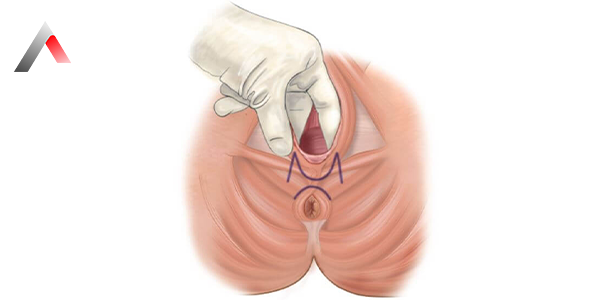
Postoperative follow-up is critical for preventing possible complications and ensuring complete healing.
After surgery, vaginal muscles are strengthened, and the canal tightness increases, improving both sexual life and overall daily life quality.
After surgery, patients feel better both physically and psychologically, and their sexual life becomes more satisfying compared to before.
Is the surgery painful?
Anesthesia is applied during the surgery, so you will not feel pain. Mild discomfort may occur during the recovery period and is managed with prescribed pain relievers.
How long is the recovery period?
Full recovery usually takes 4–6 weeks, but factors such as age, overall health, and vaginal tissue elasticity can affect the duration.
When is it safe to resume sexual activity?
With doctor approval, sexual activity is generally safe 4–6 weeks after surgery. This timing may vary depending on the condition of the stitches and the speed of recovery.
Is there a risk of complications?
Infections, bleeding, or stitch-related issues are rare. Regular follow-up minimizes these risks.
How often should I perform exercises after surgery?
Pelvic floor exercises are recommended daily. Regular exercise maintains muscle tone and accelerates the recovery process.
A Life Sağlık Group prioritizes both sexual and psychological health by offering the most up-to-date and safe methods in women’s healthcare.
If you are experiencing symptoms of vaginal laxity or have concerns about this condition, contact A Life Sağlık Group immediately. Our expert team is here to assist you in the best possible way.
To learn more about classic vaginal tightening surgery and discuss treatment options, please fill out the quick form on our website.
A Life Sağlık Group is here to take care of all aspects of your health.
Last Updated: 6 Kasım 2025 14:05
Publish Date: 19 Eylül 2024 01:39

Please fill in the fields below so that we can reach you
We are here for all your questions and problems 24/7.


 TR Türkçe
 EN English
 0 (850) 888 54 33


 E-Appointment
 E-Appointment
  E-Result












 0 (850) 888 54 33
 WhatsApp
 E-Appointment