

Endometrial Ablation

A Permanent Solution for Menstrual Bleeding Problems

Endometrial ablation is an effective treatment option for women experiencing excessive or irregular menstrual bleeding. This procedure involves the destruction of the uterine lining (endometrium) using heat or energy. By destroying the endometrium, the amount and frequency of menstrual bleeding are reduced, improving women’s quality of life.

At A Life Health Group, we prioritize women’s health and aim to provide the best services. On this page, you can find detailed information about endometrial ablation to make an informed decision and access the necessary information for a safe procedure.

What is Endometrial Ablation?

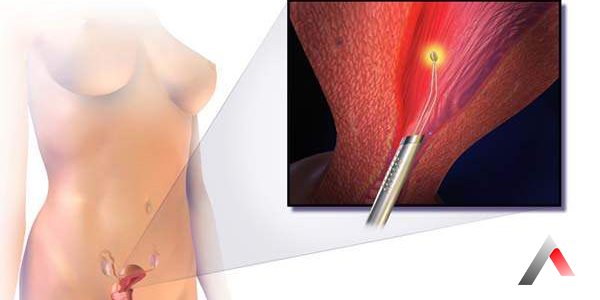
Endometrial ablation is an effective treatment option for women experiencing excessive or irregular menstrual bleeding. This procedure involves the destruction of the uterine lining (endometrium) using heat or energy. By destroying the endometrium, the amount and frequency of menstrual bleeding are reduced, enhancing women’s quality of life.
Endometrial_Ablation_ddd5cfb0.webp

Why is Endometrial Ablation Performed?

Endometrial ablation may be preferred in the following situations:

  • Excessive Menstrual Bleeding (Menorrhagia): Bleeding that is heavier than normal during menstrual periods.
  • Irregular Menstrual Bleeding (Metrorrhagia): Bleeding occurring between menstrual periods.
  • Excessive and Frequent Menstrual Bleeding (Menometrorrhagia): Menstrual bleeding that is heavier and more frequent than normal.
  • Fibroids: Benign tumors that develop in the uterine wall.
  • Endometriosis: Tissue similar to the uterine lining growing outside the uterus.
  • Polyps or Fibroids: Benign growths within or on the uterine wall.
  • Menstrual-Related Problems: Menstrual irregularities or painful periods.

Types of Endometrial Ablation

Endometrial ablation can be performed using different methods:

  • Balloon Ablation: A balloon is inserted into the uterus and heated.
  • Electrosurgical Ablation: The endometrium is destroyed using electrical current.
  • Microwave Ablation: The endometrium is destroyed using microwave energy.
  • Laser Ablation: The endometrium is destroyed using laser beams.
  • Radiofrequency Ablation: The endometrium is destroyed using radiofrequency waves.

Preparations Before Endometrial Ablation

Before endometrial ablation, your doctor will examine you in detail and make the necessary preparations for the procedure. These preparations include:

  • Review of Your Medical History: Your doctor will review your medical history, medications, and existing health conditions.
  • Physical Examination: Your doctor will check your overall health and perform a pelvic examination.
  • Blood Tests: Some blood tests will be conducted prior to the procedure.
  • Imaging Tests: Ultrasound or other imaging tests may be performed before the procedure.

Endometrial Ablation Procedure

Endometrial ablation is performed under general anesthesia and usually takes 15–30 minutes. During the procedure, your doctor inserts an instrument into the uterus and destroys the endometrium using heat or energy.

Expectations After Endometrial Ablation

After endometrial ablation, you may need to stay in the hospital for a few hours. The recovery process varies depending on the method used and the patient’s overall health. After the procedure, you can expect the following:

  • Pain: You may experience pain after the procedure. Your doctor may prescribe pain-relieving medications.
  • Bleeding: Mild bleeding may occur after the procedure.
  • Vaginal Discharge: Vaginal discharge may occur post-procedure.
  • Activity Restrictions: You may need to avoid heavy lifting and strenuous activities after the procedure.
  • Follow-Up Appointments: It is important to attend regular follow-up appointments after the procedure.

What Are the Risks of Endometrial Ablation?

Endometrial ablation is generally a safe procedure, but, as with all surgical procedures, there are some risks. These risks include:

  • Infection: As with any surgical procedure, there is a risk of infection.
  • Bleeding: There is a risk of bleeding during or after the procedure.
  • Uterine Perforation: There is a risk of perforating the uterine wall during the procedure.
  • Scarring: Scars may form inside the uterus after the procedure.
  • Cessation of Menstrual Periods: In rare cases, endometrial ablation may cause menstrual periods to stop completely.

Who is Not Suitable for Endometrial Ablation?

Endometrial ablation may not be suitable in the following situations:

  • Pregnancy: Endometrial ablation should not be performed on pregnant women.
  • Pelvic Infection: It should not be performed on women with an active pelvic infection.
  • Uterine Cancer: Endometrial ablation should not be performed on women with uterine cancer.
  • Uterine Abnormalities: It should not be performed on women with abnormalities inside the uterus.
Endometrial Ablation Services at A Life Health Group

At A Life Health Group, we aim to provide the best endometrial ablation services for women. Our experienced and specialist gynecologists perform safe and effective endometrial ablation procedures in operation rooms equipped with the latest technologies.

Our services include:

  • Expert Gynecology Consultation: You can consult with our experienced gynecologists to obtain detailed information about endometrial ablation and learn about the methods suitable for you.
  • State-of-the-Art Operating Rooms: We provide services in operation rooms equipped with the latest technology for safe and effective surgeries.
  • Different Ablation Methods: We can select the most appropriate ablation method based on the patient’s needs.
  • Personalized Treatment Plans: We create personalized treatment plans considering each woman’s needs and overall health.
  • Comprehensive Information: We aim to inform you at every step by providing detailed information about preoperative and postoperative processes.
  • Patient-Centered Service: The comfort and satisfaction of our patients are our priority.
Frequently Asked Questions

How long does endometrial ablation take?
The endometrial ablation procedure usually takes 15–30 minutes.

When can I return to normal activities after endometrial ablation?
The recovery process after endometrial ablation varies depending on individual factors. Generally, you can return to normal activities within a few weeks.

Will menstrual periods stop completely after endometrial ablation?
After endometrial ablation, the amount and frequency of menstrual bleeding decrease, but they may not stop completely.

Does endometrial ablation prevent pregnancy?
Endometrial ablation can make it more difficult to become pregnant, but it does not completely prevent pregnancy. If you are considering pregnancy, it is important to consult your doctor.

Request an Appointment with the Quick Form

To learn more about endometrial ablation or to schedule an appointment with A Life Health Group, please fill out the form below. Our expert gynecologists will contact you as soon as possible to provide detailed information about endometrial ablation and present the options suitable for you.

A Life Health Group is a healthcare institution that prioritizes women’s health and aims to provide the best services. Do not hesitate to contact us to learn more about endometrial ablation or to schedule an appointment with A Life Health Group.

Prepared by A Life Medical Editorial Board.

Last Updated: 6 Kasım 2025 14:05

Publish Date: 29 Eylül 2024 12:37

Endometrial Ablation

Quick Application Form

Please fill in the fields below so that we can reach you

Related Departments
Related Doctors
Similar Contents

Do you need help?

We are here for all your questions and problems 24/7.