Hip Prosthesis Surgery

Hip Prosthesis

Hip prosthesis is the procedure of replacing a damaged or worn hip joint with an artificial joint. This surgical intervention is typically performed on patients experiencing severe pain and limited mobility. Hip prosthesis surgery can significantly improve patients' quality of life and allow them to return to daily activities more comfortably. The postoperative rehabilitation process is critically important for the patient’s recovery and the long-term durability of the prosthesis.


Hip_Prosthesis_bb4ee343.webp

Hip Prosthesis Surgery

Hip prosthesis surgery is the procedure of replacing a damaged or worn hip joint with an artificial joint and can significantly improve patients' quality of life. This surgical intervention is typically performed on patients experiencing severe pain and limited mobility. Hip prosthesis surgery reduces pain, increases mobility, and allows patients to return to daily activities more comfortably. Detailed preoperative evaluation, the surgical procedure, and postoperative rehabilitation are critically important for a successful outcome.

Hip_Prosthesis_Surgery_69cb87ac.webp

Types of Hip Prosthesis Surgery

The types of hip prostheses vary according to the materials used and the fixation methods. Here is a comprehensive guide on hip prosthesis types:

  1. Total Hip Prosthesis:
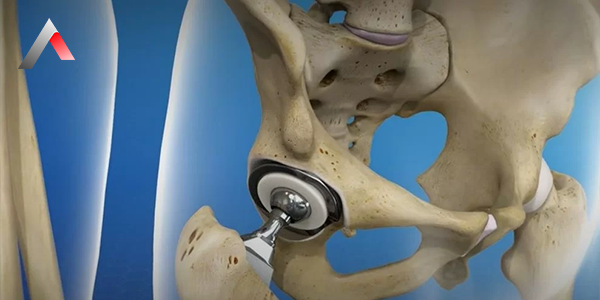
    This is the most common type of hip prosthesis, replacing both the femoral head and the acetabulum (hip socket).
    It is used for severe hip problems such as advanced osteoarthritis, rheumatoid arthritis, or hip fractures.

  2. Partial Hip Prosthesis (Hemiarthroplasty):
    This type replaces only the femoral head while preserving the acetabulum.
    It is mostly preferred for femoral head fractures.

Types of Hip Prosthesis

Hip prosthesis types vary according to the materials used, fixation methods, and the joint areas being replaced.

Here are detailed insights on hip prosthesis types:

  • Total Hip Prosthesis
  • Partial Hip Prosthesis (Hemiarthroplasty)

Hip Prosthesis Materials:

  • Metal-Polyethylene
  • Ceramic-Polyethylene
  • Ceramic-Ceramic
  • Metal-Metal

Hip Prosthesis Fixation Methods:

  • Cemented Prostheses
  • Cementless Prostheses
  • Hybrid Prostheses

Total Hip Prosthesis

Total hip prosthesis is a surgical procedure in which the damaged hip joint, including both the femoral head and the acetabulum (hip socket), is replaced with an artificial joint. This procedure is performed for patients experiencing severe hip pain, limited mobility, and decreased quality of life.

Partial Hip Prosthesis (Hemiarthroplasty)

Partial hip prosthesis is a type of implant used when one of the two main structures of the hip joint, the femoral head (the upper end of the thigh bone), is damaged. In this procedure, the damaged femoral head is removed and replaced with an artificial prosthesis, while the hip socket (acetabulum) is preserved. In total hip prosthesis, both the femoral head and the acetabulum are replaced with artificial components.

Hip Prosthesis Surgery: Reasons

The main purpose of hip prosthesis surgery is to relieve pain, increase mobility, and enable the patient to perform daily activities comfortably. The primary reasons for hip prosthesis surgery include:

  1. Osteoarthritis:
    Osteoarthritis, caused by the wear of cartilage in the hip joint, is one of the most common reasons for hip prosthesis surgery. It leads to pain, stiffness, and limited mobility, negatively affecting daily life.

  2. Rheumatoid Arthritis:
    Rheumatoid arthritis is an autoimmune disease that causes inflammation in the joints. It can lead to severe damage in the hip joint, causing pain and restricted movement.

  3. Hip Fractures:
    Hip fractures, especially in elderly patients, may sometimes require hip prosthesis surgery. The type of fracture and the patient’s overall health determine the treatment method.

  4. Avascular Necrosis:
    This condition occurs when the blood supply to the hip bone is disrupted, leading to bone tissue death. It can cause severe pain and joint damage, necessitating hip prosthesis surgery.

  5. Other Reasons:
    Congenital hip dislocation or other developmental hip issues.
    Hip tumors.
    Situations where other treatments (physical therapy, medications, etc.) are insufficient.

Hip Prosthesis Surgery: How It Is Performed

Hip prosthesis surgery is performed to relieve pain, increase mobility, and improve the patient’s quality of life. Here is a detailed explanation of how hip prosthesis surgery is performed:

  1. Anesthesia:
    The surgery is performed under general anesthesia or spinal anesthesia (numbing from the waist down).
    The type of anesthesia is determined based on the patient’s health condition and the surgeon’s preference.

  2. Surgical Incision:
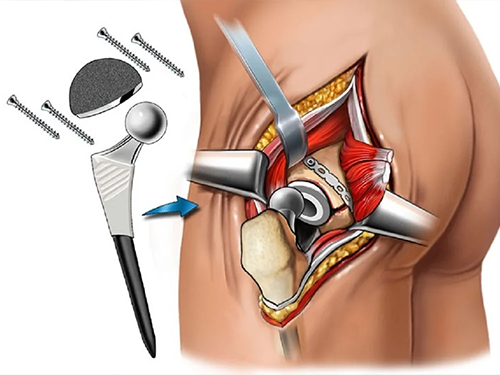
    The surgeon makes an incision in the hip area. The location and size of the incision depend on the surgeon’s choice and the patient’s anatomy.
    Typically, the incision is made from the side or back of the hip.

  3. Removal of Damaged Bone:
    The surgeon removes the damaged cartilage and bone tissue from the hip joint.
    The femur (thigh bone) head and the acetabulum (hip socket) are prepared using specialized instruments.

  4. Placement of the Prosthesis:
    The artificial hip prosthesis is placed in the prepared femur and acetabulum areas.
    The type of prosthesis is determined based on the patient’s age, bone quality, and activity level.
    Prostheses can be fixed using bone cement (a special adhesive) or a special coating that encourages bone growth into the implant.

  5. Closure:
    The surgeon closes the incision with sutures or staples.
    The surgical site is covered with a sterile bandage.

Hip Prosthesis Surgery: Preoperative

Evaluation and Tests:
Before the surgery, the patient’s overall health is assessed and a series of tests are performed. These tests may include blood tests, urine tests, heart function tests, lung function tests, and imaging tests (X-ray, MRI, etc.).

Preparation Process:
Before the surgery, the patient may need to fast for a certain period. Additionally, the use of some medications may need to be temporarily stopped. Your doctor will provide detailed information about the preoperative preparation process.

Hip Prosthesis Surgery: Postoperative

The postoperative period of hip prosthesis surgery is critical for patients to adapt to their new hip joint and return to daily life healthily. Careful management, appropriate exercises, and adherence to doctor’s recommendations are vital for a successful recovery.

First Days After Surgery:

  • Hospital Monitoring:
    • Staying in the hospital for the first few days after surgery is important for pain management, infection monitoring, and initial physical therapy.
    • Painkillers and antibiotics are administered regularly.
  • Early Movement:
    • On the first day after surgery, light exercises in and around the bed are started with the guidance of a physiotherapist.
    • This promotes blood circulation and prevents blood clot formation.
  • Pain Management:
    • Postoperative pain is normal. It is important to use painkillers regularly as prescribed by your doctor.

Recovery Process After Surgery:

  • Physical Therapy and Rehabilitation:
    • Physical therapy is the most important part of recovery after hip prosthesis surgery.
    • The physiotherapist applies personalized exercise programs to improve hip mobility, restore muscle strength, and enhance walking ability.
    • This process is crucial for the patient to regain independence.
  • Wound Care:
    • Keeping the surgical wound clean and dry reduces the risk of infection.
    • Stitches or staples are removed after the period specified by your doctor.
  • Return to Daily Activities:
    • Daily activities such as walking, sitting, and standing should be resumed gradually and in a controlled manner.
    • Using supportive walkers or canes during the first weeks is recommended.
  • Precautions:
    • Avoid excessive bending or inward rotation of the legs to prevent hip dislocation.
    • Avoid sitting on high or very low surfaces.
    • Use a Western-style toilet.
    • Avoid sudden and excessive movements.

Long-Term Care:

  • Regular Check-ups:
    • Attending regular check-ups as scheduled by your doctor is important to monitor the condition of the prosthesis and detect potential complications early.
Hip Prosthesis Surgery: Risks

Like any surgical procedure, hip prosthesis surgery carries certain risks. These may include:

  • Infection: Though rare, infections can occur at the surgical site or deeper around the prosthesis.
  • Bleeding: Excessive bleeding during or after surgery may require intervention.
  • Blood Clots: Deep vein thrombosis (DVT) or pulmonary embolism can develop if blood clots form.
  • Dislocation: The new hip joint may dislocate, especially in the early postoperative period.
  • Nerve Damage: Nerves around the hip can be injured, leading to temporary or rarely permanent numbness or weakness.
  • Prosthesis Loosening: Over time, the prosthesis may loosen, affecting stability and function.
  • Anesthesia Complications: Reactions to anesthesia, though uncommon, can occur.

These complications are uncommon, and the risk is significantly reduced when the surgery is performed by an experienced surgeon.

Hip Prosthesis Surgery at A Life

A Life Health Group has a team of experienced orthopedic surgeons specialized in hip prosthesis surgery. We provide personalized treatment plans using the latest technology and methods. Our patients receive comprehensive support and follow-up services both before and after surgery.

Advantages offered by A Life Health Group:

  • Experienced orthopedic surgeons: Our expert and experienced surgeons determine the most suitable treatment method to help you regain your health.
  • Latest technology and methods: A Life Health Group uses the most advanced technology and techniques in hip prosthesis surgeries.
  • Personalized treatment plans: Each patient’s needs are unique. Therefore, we create individualized treatment plans for our patients.
  • Comprehensive support and follow-up services: We provide extensive support and follow-up both before and after surgery.
  • Comfortable and safe environment: All procedures are performed in a modern and comfortable setting. Patient safety and comfort are our top priorities.
Frequently Asked Questions About Hip Prosthesis Surgery
Hip Prosthesis Lifespan

The average lifespan of a hip prosthesis is 15–20 years. However, this duration can vary depending on the patient’s age, activity level, type of prosthesis, and other factors. In some cases, the prosthesis may need to be replaced earlier.

Hip Prosthesis Surgery Costs

The cost of a hip prosthesis surgery varies depending on the type of prosthesis used, the hospital where the surgery is performed, the surgeon’s experience, and other factors.

Who Is Suitable for Hip Prosthesis Surgery?

Hip prosthesis surgery may be suitable for patients who:

  • Are unable to perform daily activities due to hip pain
  • Do not respond to other treatments such as medication or physical therapy
  • Have a general health condition that allows them to undergo surgery
Toilet Use After Hip Prosthesis Surgery

Toilet use after hip prosthesis surgery is an important aspect of the recovery process. Certain precautions should be taken to protect the hip joint and support healing:

  1. Prefer Western-Style Toilets (Alafranga):
    Patients who have undergone hip prosthesis surgery should avoid squat toilets (Alaturka) during the early recovery period. Squat toilets put excessive stress on the hip joint and increase the risk of dislocation. Using a Western-style toilet is recommended.

  2. Use of Toilet Seat Risers:
    The height of the toilet should be adjusted to avoid straining the hip joint. If the toilet is too low, a riser can be used to increase the height. Toilet risers reduce the load on the hip joint when sitting and standing.

  3. Sitting and Standing Techniques:
    It is important to move in a way that protects the hip joint when sitting down or standing up. Sit slowly and in a controlled manner. Stand up gradually while using support, avoiding sudden movements.

  4. Supportive Equipment:
    Walking aids such as a cane or walker can be used when going to and from the toilet. These help maintain balance and reduce stress on the hip joint.

Duration of Hip Prosthesis Surgery

The duration of a hip prosthesis surgery can vary depending on several factors. Generally, the procedure takes about 1 to 3 hours, with an average of 2 to 2.5 hours. Factors affecting the surgery time include:

  • Patient Anatomy: Each patient’s hip structure is unique. More complex anatomy can extend the operation time.
  • Surgical Complexity: Additional damage or abnormalities in the hip joint can make the procedure more complicated.
  • Surgeon’s Experience: Experienced surgeons can perform the operation more efficiently and quickly.
  • Surgical Technique: The method and approach used can also influence the duration.

Overall, most standard hip prosthesis surgeries are completed within the 2–2.5 hour range.

Hip Prosthesis Surgery Aftermath of Limping?

Limping after hip prosthesis surgery is a condition that can be observed in some patients. There are several possible causes for this limping, and it is generally temporary. However, in cases of persistent limping, it is essential to consult a doctor.

Hip Prosthesis Surgery and Sexual Activity?

Sexual activity after hip prosthesis surgery is one of the important topics patients are curious about and discuss with their doctors during the recovery process. The timing of returning to sexual activity and the precautions to be taken vary according to the patient's recovery speed and the recommendations of their doctor.

Hip Prosthesis Surgery and Groin Pain?

Groin pain after hip prosthesis surgery is a condition that may be observed in some patients and can arise from different causes. This pain is generally a natural result of the surgery, but in some cases, it may be a sign that requires careful attention.

Hip Prosthesis Surgery and Walking?

Walking after hip prosthesis surgery is an important part of the recovery process and should be progressed carefully. Here is what you need to know about walking after hip prosthesis surgery:

  1. First Days After Surgery:

  • Patients are usually assisted to stand on the same day or the day after surgery under the supervision of a physiotherapist.
  • The first steps are taken with supportive devices such as walkers or crutches.
  • The purpose of these initial steps is to improve blood circulation and gradually activate the muscles.
  1. Physical Therapy and Rehabilitation:

  • Physiotherapy plays a very important role in the recovery process.
  • Physiotherapists prepare personalized exercise programs and teach correct walking techniques.
  • Exercises focus on strengthening the muscles around the hip and increasing mobility.
  1. Walking Stages:

  • First Week: Short distances are walked using a walker or crutches.
  • Following Weeks: Walking distance and duration are gradually increased, and the use of supportive devices is reduced.
  • Full Recovery: With the approval of the doctor and physiotherapist, walking without support is resumed.
Hip Prosthesis Surgery and Leg Swelling?

Swelling in the leg after hip prosthesis surgery is a fairly common condition and usually does not require concern. However, if the swelling is severe or occurs alongside other symptoms, it is essential to consult a doctor.

Hip Prosthesis Surgery Fees

As A Life Health Group, we provide patients in need of hip prosthesis surgery with the most up-to-date and effective treatment methods offered by modern medicine. At our hospitals in Ankara, our experienced orthopedic surgeons and specialist healthcare staff aim to improve our patients' quality of life.

Hip prosthesis surgery fees vary depending on the type of prosthesis used, the complexity of the surgery, the length of hospital stay, and other factors.
As A Life Health Group, we aim to offer high-quality healthcare services at the most suitable prices for our patients.
For detailed information about surgery fees and to receive a personalized price quote, please contact our hospitals.

Prepared by A Life Medical Editorial Board.

Last Updated: 6 Kasım 2025 14:05

Publish Date: 25 Nisan 2024 10:14

Hip Prosthesis Surgery

Quick Application Form

Please fill in the fields below so that we can reach you

Related Departments
Related Doctors
Similar Contents

Do you need help?

We are here for all your questions and problems 24/7.