
Open Cervical Disc Hernia Surgery

Regain Your Freedom of Movement

At A Life Health Group, you can access comprehensive information about open cervical disc hernia and surgical treatment options. You can find detailed information based on current and scientific data about the symptoms, causes, diagnostic methods, and surgical techniques of cervical disc hernia. With our team of specialist physicians, you can restore your spinal health and improve your quality of daily life.

What Is Open Cervical Disc Hernia?

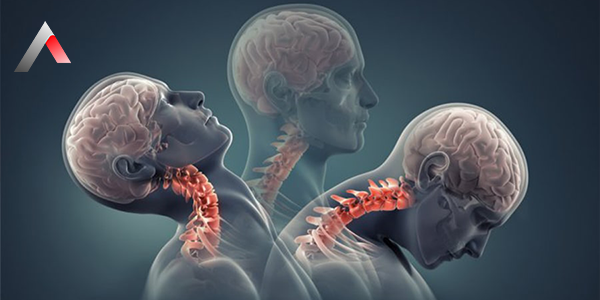
Open cervical disc hernia is a serious health condition that occurs as a result of structural deterioration in the discs forming the spine. Discs are structures located between the vertebrae that act as shock absorbers. The inner part of these discs has a gel-like structure, while the outer part consists of a tough ring. When the outer layer weakens or tears, the inner material protrudes outward toward the spinal canal. This condition compresses the spinal cord or nerve roots, causing symptoms such as pain, numbness, and muscle weakness.

In open cervical disc hernia, surgical treatment is based on the removal of the disc material pressing on the affected area. This method is preferred especially in patients where conservative approaches such as medication and physical therapy are insufficient, and neurological symptoms are progressing.
Open_Cervical_Disc_Hernia_b34ba9e5.webp

What Are the Symptoms of Open Cervical Disc Hernia?

Open cervical disc hernia can present differently in each patient. Symptoms vary depending on the size of the hernia and which nerve root is compressed. The most common findings are as follows:

  • Neck Pain: Severe and sharp pain is felt in the area of the hernia. The pain may intensify during movements that increase pressure, such as head movements, coughing, or sneezing.
  • Arm Pain: Pain radiating from the neck to the arm, shoulder, and even the fingers is typical. Depending on the nerve root compression, it may occur on one or both sides.
  • Numbness and Tingling: Numbness, tingling, or a sensation of electric shock may occur in the arm, hand, or fingers. This indicates impaired nerve conduction.
  • Muscle Weakness: Decreased grip strength, weakness in the fingers, or noticeable weakness in the shoulder muscles may develop. In advanced cases, patients may have difficulty grasping objects.
  • Headache: Headaches originating from the neck (occipital headaches) and a feeling of tightness in the neck area are common.
  • Dizziness: In some patients, compression in the cervical vertebrae may cause balance problems and dizziness.

Symptoms that start with simple neck stiffness in the early stages may progress over time to affect the arms and hands, significantly reducing the quality of life.

What Are the Causes of Open Cervical Disc Hernia?

Multiple factors contribute to the development of open cervical disc hernia. These factors weaken the disc structure and cause compression of the nerve tissue.

  • Aging: As age progresses, the discs lose their elasticity and become more prone to tearing.
  • Repetitive Movements: Prolonged desk work, frequent computer use, or lifting heavy objects place excessive stress on the discs.
  • Trauma: Car accidents, falls, or direct blows to the neck can cause sudden damage to the disc.
  • Congenital Abnormalities: In some individuals, congenital structural issues in the spine increase the risk of herniation.
  • Genetic Predisposition: People with a family history of spinal disorders have a higher risk.
  • Sedentary Lifestyle and Obesity: Lack of exercise and excess weight increase the load on the cervical region, accelerating the development of herniation.
  • Smoking: Impairs the nutrition of the discs and leads to structural weakening.

How Is Open Cervical Disc Hernia Diagnosed?

Accurate diagnosis is critical for successful treatment. The following methods are commonly used in the diagnosis of open cervical disc hernia:

  • Physical Examination: The physician evaluates neck range of motion, muscle strength, and reflexes.
  • Neurological Examination: Numbness and muscle weakness caused by nerve compression are thoroughly assessed.
  • X-ray: Used to detect bone abnormalities, fractures, or degenerative changes in the spinal structure.
  • Magnetic Resonance Imaging (MRI): The most effective method for visualizing disc herniations. It provides detailed information about nerve compression and disc protrusion.
  • Computed Tomography (CT): In some cases, it allows clearer evaluation of bone structures.
  • Electromyography (EMG) and Nerve Conduction Studies: Provide information about the extent of nerve damage and muscle function.

Combining these diagnostic methods ensures an accurate diagnosis and helps determine the most appropriate treatment plan.

Open Cervical Disc Hernia Surgery

Open cervical disc hernia surgery is performed on patients who do not benefit from conservative treatments or who exhibit progressive neurological symptoms. The surgical procedure aims to relieve pressure on the nerves.

  • Preoperative Preparation: The patient’s overall health, blood tests, and suitability for anesthesia are evaluated.
  • Surgical Technique: A small incision is made in the neck, and the problematic disc fragment is removed. If necessary, implants or fusion techniques are used to ensure spinal stability.
  • Postoperative Process: Patients can usually stand within a few days. Muscle strength is regained with the support of physical therapy and rehabilitation.
  • Recovery Period: Recovery time varies from person to person, ranging from several weeks to a few months. Regular exercise and follow-up with the doctor are important.

After surgical treatment, pain is generally reduced, and numbness and weakness in the arm improve significantly.

The Difference of A Life Health Group in Open Cervical Disc Hernia Surgery

A Life Health Group stands out in the treatment of open cervical disc hernia with its experienced specialist team and modern technologies.

  • Expert Medical Team: We offer a multidisciplinary approach with our neurosurgery and orthopedics specialists experienced in spinal surgery.
  • Personalized Treatment Plans: We create customized plans for each patient based on age, profession, lifestyle, and clinical findings.
  • Modern Technologies: We provide the most up-to-date treatment methods using advanced imaging systems and safe surgical techniques.
  • Patient Satisfaction: Throughout the treatment process, we support our patients with information, psychological support, and rapid communication.
  • Rehabilitation Support: Postoperative programs are implemented under the guidance of our physiotherapy specialists to strengthen muscles and improve quality of life.
  • Confidentiality Principle: All patient information is meticulously protected in accordance with ethical standards.

Contact Us Immediately!

If you experience persistent neck pain, numbness, or weakness radiating to your arms, you can contact A Life Health Group without delay. Early diagnosis and appropriate treatment can help protect your spinal health.

Get an Appointment by Filling Out the Quick Form:

To learn more about open cervical disc hernia and discuss treatment options, please fill out the quick form on our website.

A Life Health Group is here to take care of every aspect of your health.

Prepared by A Life Medical Editorial Board.

Last Updated: 6 Kasım 2025 14:05

Publish Date: 19 Eylül 2024 00:50
Open Cervical Disc Hernia Surgery

Quick Application Form

Please fill in the fields below so that we can reach you

Related Departments
Related Doctors
İrşadi Demirci
Op. Dr. İrşadi Demirci

Neurosurgery

İskender Samet Daltaban
Op. Dr. İskender Samet Daltaban

Neurosurgery

Similar Contents

Do you need help?

We are here for all your questions and problems 24/7.