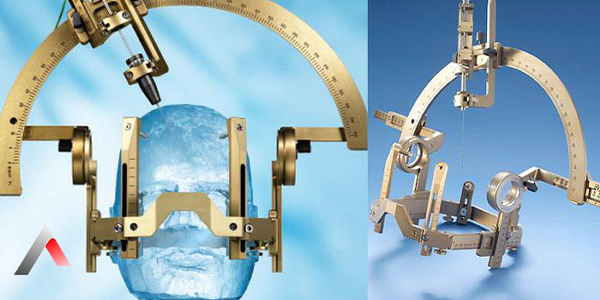

Stereotactic Surgery

Safe and Effective Treatment with Precise Targeting

At A Life Health Group, we aim to provide the highest quality healthcare to patients of all ages. Stereotactic surgery is a procedure that uses surgically guided instruments precisely directed to a targeted point in the brain, spinal cord, or other body areas. This procedure is less invasive compared to traditional open surgery, offers a faster recovery time, and carries a lower risk of complications.

What is Stereotactic Surgery?

Stereotactic surgery is a procedure that determines the precise location of a targeted point using three-dimensional imaging techniques (computed tomography or magnetic resonance imaging) and allows surgical instruments to be guided accurately to that point. This procedure enables minimally invasive access to the targeted area and allows the operation to be performed without damaging surrounding tissues.

What_is_Stereotactic_Surgery_91534b2d.webp

Why is Stereotactic Surgery Performed?

Stereotactic surgery can be performed for various reasons. The most common applications are:

  • Brain Tumors: Stereotactic surgery is preferred for the biopsy, removal, or treatment of small or deeply located tumors in the brain.
  • Neurological Diseases: Stereotactic surgery can also be used in the treatment of neurological diseases such as epilepsy, Parkinson's disease, and Alzheimer's disease. In epilepsy treatment, it may be applied to destroy or stimulate the brain region causing seizures.
  • Vascular Diseases: Stereotactic surgery can be used for the treatment of vascular diseases such as brain aneurysms (ballooning in brain vessels) or blockages in brain vessels.
  • Chronic Pain: Stereotactic surgery can be used to destroy or stimulate specific nerves responsible for nerve compression or chronic pain.
  • Psychiatric Disorders: Stereotactic methods can be applied in psychiatric conditions such as depression and Obsessive-Compulsive Disorder (OCD).
  • Spinal Diseases: Stereotactic surgery can be used for the biopsy or removal of spinal tumors, treatment of spinal damage, and relief of chronic pain.

Advantages of Stereotactic Surgery

  • Minimal Invasive: Smaller incisions compared to traditional open surgery reduce tissue damage.
  • Faster Recovery: Smaller incisions lead to a shorter recovery period and reduced hospital stay.
  • Less Pain: Minimal invasiveness reduces postoperative pain.
  • Lower Risk of Complications: Smaller incisions decrease the risk of complications such as infection, bleeding, and nerve damage.
  • Better Cosmetic Results: Small incisions do not leave visible scars after surgery.
  • Precise Targeting: Stereotactic surgery allows highly precise access to the targeted point, enabling the procedure to be performed without damaging surrounding tissues.

How Stereotactic Surgery is Performed

Stereotactic surgery is usually performed under general anesthesia. Depending on the area to be treated, a small incision may be made in the skull or a small opening may be created to access the spinal cord. Imaging techniques are used to locate the targeted point, and surgical instruments are precisely guided to this location.

Recovery Process After Stereotactic Surgery:

The recovery process after stereotactic surgery varies depending on the treated area, the patient’s overall health, and the type of surgery. Typically, you will need to stay in intensive care for a few days after the procedure.

Postoperative Care Instructions:

  • Take the medications prescribed by your doctor regularly.
  • Get enough rest and avoid strenuous activities.
  • Attend regular follow-up appointments as instructed by your doctor.
  • Continue physical therapy: The postoperative rehabilitation program is individually planned by a physiotherapist.

Postoperative Complaints After Stereotactic Surgery:

  • Pain: Headache and pain at the surgical site are normal after surgery.
  • Fatigue: You may experience tiredness and weakness after surgery.
  • Neurological Symptoms: Temporary or permanent neurological symptoms (e.g., speech impairment, vision problems, numbness, weakness) may occur after surgery.
  • Infection: There is a risk of infection after surgery.

Risks of Stereotactic Surgery:

Like any surgical procedure, stereotactic surgery carries certain risks. However, these risks are lower compared to traditional open surgery. The risks include:

  • Bleeding: There is a risk of bleeding after surgery.
  • Infection: There is a risk of infection following the procedure.
  • Nerve Damage: There is a risk of damage to brain tissue or nerves during surgery.
  • Neurological Disorders: There is a risk of impairment in neurological functions such as speech, vision, movement, or sensation after surgery.

Stereotactic Surgery at A Life Health Group
  • Experienced Medical Team: A Life Health Group has a team of experienced physicians specialized in neurosurgery.
  • State-of-the-Art Technology: A Life Health Group performs stereotactic surgery using the latest technology.
  • Safe and Comfortable Environment: A Life Health Group ensures that patients are treated in a safe and comfortable environment.
  • Personalized Treatment: A Life Health Group prepares individualized treatment plans for each patient.
  • Affordable Prices: A Life Health Group provides services at affordable rates.
    Contact us for more information about stereotactic surgery!

At A Life Health Group, we are here to determine the best treatment option for you and to inform you about the stereotactic surgery process. We are waiting for you!

Prepared by A Life Medical Editorial Board.

Last Updated: 6 Kasım 2025 14:05

Publish Date: 29 Eylül 2024 14:39

Stereotactic Surgery

Quick Application Form

Please fill in the fields below so that we can reach you

Related Departments
Related Doctors
İrşadi Demirci
Op. Dr. İrşadi Demirci

Neurosurgery

İskender Samet Daltaban
Op. Dr. İskender Samet Daltaban

Neurosurgery

Similar Contents

Do you need help?

We are here for all your questions and problems 24/7.