Surgery for Major Joint Fractures

What is Surgery for Major Joint Fractures?

Major joint fractures are serious injuries that occur in large joints such as the knee, hip, and shoulder. These types of fractures can significantly affect quality of life and the ability to perform daily activities. At A Life Health Group, we will examine surgery for major joint fractures in detail, including its symptoms, causes, diagnostic methods, and treatment processes.

Surgery_for_Major_Joint_Fractures_7cc63404.webp

What is a Major Joint Fracture?

A major joint fracture is a break that occurs in one of the large joints of the body. These fractures typically result from traumatic injuries, such as falls, impacts, or sports activities. If not treated, major joint fractures can lead to serious health problems and cause long-term complications such as immobility, pain, and weakness.

What_is_a_Major_Joint_Fracture_fd40a101.webp

Types of Major Joint Fractures

  • Intra-articular Fractures: These occur when the fracture affects the joint line. Such fractures may require reconstruction of the structures within the joint.
  • Extra-articular Fractures: These occur when the fracture does not affect the joint line. They generally yield better outcomes after treatment.

Symptoms of Major Joint Fractures

The symptoms of major joint fractures can be sudden and severe. They generally include:

  • Pain: Sudden and unbearable pain at the fracture site, which increases with movement.
  • Swelling: Noticeable swelling or hematoma (blood accumulation) at the fracture site.
  • Limited Mobility: Inability to move the affected area or restricted movement due to pain.
  • Deformity: Abnormal appearance of the joint and surrounding tissues. Displacement of joint structures may be observed.
  • Difficulty Bearing Weight: It may be difficult or impossible to put weight on the fractured area.

These symptoms may vary depending on the severity of the major joint fracture. If these symptoms are present, urgent medical attention should be sought.

Causes of Major Joint Fractures

Major joint fractures can develop due to various reasons. The most common causes include:

1. Falls
Falls are among the most common causes of major joint fractures, especially in elderly individuals. They are associated with weakened bones and the frequency of falls.

2. Sports Injuries
Football, basketball, and other contact sports can lead to major joint fractures. Sudden changes in direction can cause serious injuries to the knee or hip.

3. Traffic Accidents
Car accidents can cause high-energy trauma to the body’s major joints. Such injuries often result in severe fractures.

4. Osteoporosis
Osteoporosis is a condition characterized by weakened and thinned bones. In individuals with osteoporosis, even minor falls or light trauma can lead to fractures.

5. Overuse Injuries
Repeated movements or activities over time can wear down joints and eventually lead to fractures.

Diagnosis of Major Joint Fractures

The diagnosis of major joint fractures is generally made through evaluations conducted by a healthcare professional. The methods used in the diagnostic process include:

1. Physical Examination

The doctor performs a physical examination to assess and evaluate the patient's symptoms. Movement of the fractured area is checked while observing for pain and swelling.

2. Imaging Tests

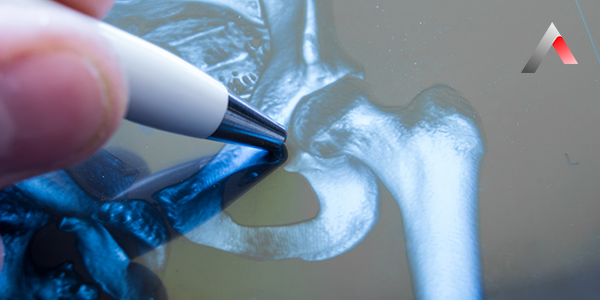
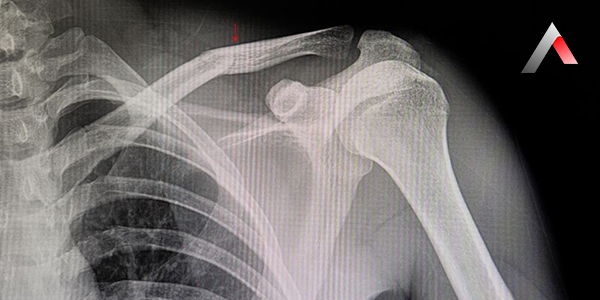
  • X-ray: The first test performed to determine the location and severity of the fracture. X-rays are usually taken from two angles to clearly visualize the fractures.
  • Computed Tomography (CT): Provides detailed imaging to help determine the depth of the fracture.
  • Magnetic Resonance Imaging (MRI): Used to evaluate soft tissues and ligaments. It is useful for identifying damage around the joint.

3. Blood Tests

Certain blood tests may be performed to monitor your condition. Infections or other issues can be detected.

Major Joint Fracture Surgery

A major joint fracture may require surgical intervention depending on the severity and type of the injury. Surgery generally proceeds through the following stages:

1. Preparation

Before the surgical procedure, the patient's health status, medical history, and existing conditions are evaluated. If necessary, information regarding anesthesia is provided.

2. Surgical Procedure

During the surgery, local or general anesthesia is usually applied. Repairs can be performed using arthroscopic methods or open surgical procedures. The fracture can be stabilized with screws, plates, or pins.

3. Recovery Process

Postoperative recovery may include the following stages:

  • Rest: Rest is important during the first days after surgery.
  • Physical Therapy: A physical therapy program should be initiated to support the recovery process. Improving joint mobility and muscle strength is essential.
  • Pain Management: Regular use of painkillers as recommended by the doctor is advised.
  • Incision Care: The surgical area should be regularly maintained and protected against infection.

Major joint fractures are conditions that can lead to serious health problems, and proper treatment is crucial. As A Life Health Group, we are here to provide information about such injuries and deliver the necessary healthcare services. If you experience problems with your knee, hip, or other joints, it is essential to consult a specialist and undergo the required treatment procedures. Take care of your health and take important steps during the recovery process!

Prepared by A Life Medical Editorial Board.

Last Updated: 6 Kasım 2025 14:05

Publish Date: 25 Nisan 2024 10:13

Surgery for Major Joint Fractures

Quick Application Form

Please fill in the fields below so that we can reach you

Related Departments
Related Doctors
Similar Contents

Do you need help?

We are here for all your questions and problems 24/7.