Scoliosis Surgery

Scoliosis Surgery

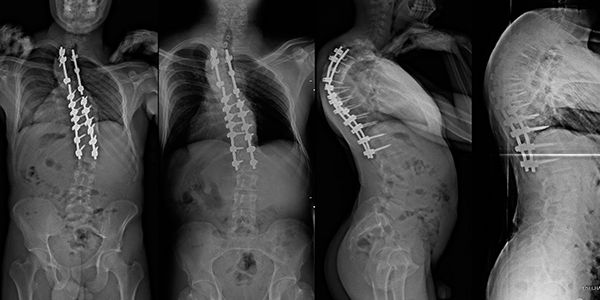
Scoliosis surgery is a surgical procedure performed when the curvature of the spine exceeds a certain degree or continues to progress. The primary goal of this surgery is to correct the spine, stop the progression of the curvature, and improve the patient’s quality of life. Scoliosis surgery is typically recommended when other treatment methods (such as braces or physical therapy) are ineffective or when the spinal curvature is severe. The procedure involves the use of various metal implants (screws, rods, etc.) to stabilize the spine, and different surgical techniques may be applied depending on the patient’s condition.

Scoliosis_Surgery_e6326025.webp

What is Scoliosis Surgery?

Scoliosis surgery is typically performed under general anesthesia. During the procedure, metal rods, screws, and other instruments are used to correct the curvature of the spine. The duration of the surgery varies depending on the severity of the curvature and the affected spinal region.

What_is_Scoliosis_Surgery_6966a14b.webp

Why is Scoliosis Surgery Performed?

Scoliosis surgery is a surgical approach used when spinal curvature (scoliosis) reaches a certain degree and cannot be controlled with conservative treatments such as braces or physical therapy.

Reasons for scoliosis surgery include:

  • Stopping the Progression of Curvature:
    • In children and adolescents, progressing curvature can significantly affect quality of life. Surgery aims to halt this progression.
  • Reducing Pain:
    • Severe scoliosis can cause back pain, lumbar pain, and other painful symptoms. Surgery can help alleviate these pains.
  • Protecting Lung and Heart Function:
    • Advanced scoliosis can deform the chest, negatively impacting lung and heart function. Surgery helps preserve the function of these organs.
  • Improving Cosmetic Appearance:
    • Scoliosis can create noticeable asymmetry in body shape. Surgery corrects the spine and improves cosmetic appearance.
  • Preventing Neurological Problems:
    • In some types of scoliosis, the spinal cord and nerves may be compressed, leading to neurological issues.Surgery aims to prevent these complications.

Scoliosis surgery can significantly improve spinal health and the patient’s overall quality of life.

Scoliosis_Surgery_82beea03.webp

How is Scoliosis Surgery Performed?

The goal of scoliosis surgery is to correct the curvature as much as possible, stop its progression, reduce pain, and improve the patient’s quality of life.

Key steps of scoliosis surgery:

  • Anesthesia: The surgery is performed under general anesthesia, meaning the patient is fully asleep during the procedure.
  • Positioning: The patient is placed on the operating table either face down or on their side.
  • Incision and Access to the Spine: The surgeon makes an incision along the back. Muscles and tissues are carefully separated to access the spine.
  • Spinal Correction and Stabilization: Various techniques are used to straighten the spinal curvature. Metal implants (screws, rods, and hooks) are placed to correct and stabilize the spine. Bone grafts are added to promote fusion between the vertebrae.
  • Neuromonitoring: During surgery, spinal cord function is continuously monitored using a technique called neuromonitoring. This helps minimize the risk of nerve damage.
  • Closure: Muscles and tissues are returned to their original positions, and the skin is closed with sutures or staples.

Postoperative Recovery After Scoliosis Surgery

The recovery process after scoliosis surgery varies depending on the patient’s preoperative condition, the extent of the surgery, and overall health.

Generally, the recovery process includes the following stages:

Hospital Stay – First Days

  • Intensive Care and Pain Management:
    • Patients are monitored in the intensive care unit for the first few days after surgery.
    • Pain management is provided through prescribed medications.
  • Mobility:
    • Early gentle movement is encouraged to improve blood circulation and reduce the risk of complications.
  • Wound Care:
    • The surgical site is carefully managed to minimize the risk of infection.

Post-Discharge Recovery

  • Pain Control:
    • Pain is managed with prescribed analgesics after discharge.
  • Physical Therapy and Rehabilitation:
    • A physical therapy program is implemented to strengthen the spinal muscles and improve mobility.
  • Use of a Brace:
    • In some cases, a spinal brace may be recommended to support the spine.
  • Activity Restrictions:
    • Avoid heavy lifting and sudden movements for the first few weeks.
    • Return to sports or other physical activities should only be done with the doctor’s approval.
  • Follow-Up Visits:
    • Regular doctor visits are crucial to monitor the recovery process and detect any potential complications early.

Long-Term Recovery

  • Spinal Fusion:
    • The process of vertebrae fusing together may take several months.
  • Return to Normal Activities:
    • Most patients can resume normal activities a few months after surgery.
    • Some sports activities may require up to one year before safe participation.
  • Lifestyle Adjustments:
    • Following the doctor’s recommendations for posture, exercise, and spinal health is essential to maintain long-term results.

Risks of Scoliosis Surgery

The risks of scoliosis surgery vary depending on the complexity of the procedure, the patient’s overall health, and the surgeon’s experience.

General Surgical Risks

  • Infection: May occur at the surgical site or elsewhere in the body.
  • Bleeding: Excessive blood loss can occur during or after surgery.
  • Anesthesia Complications: Allergic reactions or other anesthesia-related issues may arise.
  • Wound Healing Problems: Infection or delayed healing at the incision site may occur.
  • Lung Problems: Fluid accumulation in the lungs or breathing difficulties may develop.

Spine-Specific Risks

  • Nerve Damage: Injury to the spinal cord or nerve roots can result in neurological issues such as paralysis, numbness, or weakness.
  • Implant Issues: Screws, rods, or hooks may loosen, break, or move out of position.
  • Spinal Imbalance: Postoperative imbalance of the spine is possible.
  • Pseudoarthrosis: Failure of the vertebrae to fuse properly (fusion failure).
  • Development of Other Spinal Deformities: Such as kyphosis or lordosis.
  • Chronic Pain: Persistent pain may develop after surgery.
  • Wound Infection: Infection at the incision site may occur, requiring treatment.

These risks are generally low when surgery is performed by an experienced surgical team, and careful preoperative planning and postoperative monitoring help minimize complications.

Benefits of Scoliosis Surgery

Scoliosis surgery aims to halt the progression of spinal curvature and improve the patient’s quality of life. The main benefits of the surgery include:

  • Correction of Curvature and Prevention of Progression
    • The surgery can significantly straighten the spine or at least stop further progression of the curvature. This is particularly important for children and adolescents who are still growing.
  • Pain Reduction
    • In severe scoliosis cases, spinal curvature can cause back and lower back pain. Surgery helps to alleviate these discomforts.
  • Improvement of Respiratory and Cardiac Function
    • Severe scoliosis can deform the rib cage, negatively affecting lung and heart function. Surgery aims to protect and improve these vital organ functions.
  • Enhanced Cosmetic Appearance
    • Scoliosis can cause noticeable asymmetry in body shape. Correcting the spinal alignment improves the patient’s physical appearance and body image.
  • Prevention of Neurological Problems
    • In some types of scoliosis, the spinal cord and nerves can be compressed, leading to neurological issues. Surgery helps prevent such complications.

Overall, scoliosis surgery not only improves physical appearance but also positively impacts the patient’s psychological and social life. It also helps prevent serious health problems associated with advanced scoliosis, such as chronic pain and respiratory difficulties.

Scoliosis Surgery at A Life Health Group

At A Life Health Group, our goal is to provide the highest quality care with our expert team and modern medical technologies in scoliosis treatment. Scoliosis is a condition characterized by curvature of the spine, which in some cases may require surgical intervention. We prioritize our patients’ health and quality of life during scoliosis surgeries.

Our Scoliosis Surgery Services:

  • Expert Team: We create personalized treatment plans for our patients with the help of experienced orthopedic surgeons specializing in scoliosis surgery and a multidisciplinary team.
  • Modern Technology: Surgeries are performed using the latest surgical equipment and advanced imaging systems.
  • Patient-Centered Approach: We support and guide our patients throughout preoperative and postoperative processes.
  • Rehabilitation Services: Post-surgery, we provide rehabilitation programs to ensure patients recover quickly and safely.

At A Life Health Group, we are committed to supporting our patients in scoliosis treatment and delivering the best possible healthcare services.

Frequently Asked Questions About Scoliosis Surgery

1.Tethered (Flexible Cord) Scoliosis Surgery

Tethered scoliosis surgery is a relatively new and promising surgical method, particularly for young patients with growth potential. Instead of using metal rods, a flexible cord is used to correct the spinal curvature and prevent progression.

2.Minimally Invasive (Closed) Scoliosis Surgery

Minimally invasive scoliosis surgery usually refers to tethered scoliosis surgery or video-assisted thoracoscopic surgery (VATS) for scoliosis correction. This approach is less invasive compared to traditional open surgeries.

3.Scoliosis Surgery Cost

For detailed information about scoliosis surgery and its cost, you can contact A Life Health Group.

4.Duration of Scoliosis Surgery

Scoliosis surgeries typically last between 3 to 8 hours, though complex cases may take longer.

5.When Is Scoliosis Surgery Recommended?

The decision depends on the degree of curvature, patient’s age, general health, and symptoms. Commonly accepted criteria:

  • 40–50 degrees and above: Surgery may be considered, especially in young patients with ongoing growth.
  • 50 degrees and above: Curvatures above this degree are often treated surgically due to higher progression risk.

6.Post-Surgery Bending

After scoliosis surgery, patients often ask if they can bend normally. Certain movement restrictions are recommended to support spinal healing and prevent complications.

7.Movement Restrictions After Surgery

Postoperative movement restrictions are a crucial part of recovery. The type and duration of restrictions depend on the surgery type, patient age, overall health, and recovery speed.

8.Rod or Implant Breakage After Surgery

Although rare, implant or rod breakage is a serious complication. Patients should be aware of its causes, symptoms, diagnosis, and treatment.

9.Age Limit for Scoliosis Surgery

Scoliosis surgery is planned based on the patient’s age, degree of curvature, and general health. There is no strict age limit; each case is individualized.

10.Height Increase After Surgery

Patients may notice a slight increase in height after surgery, mainly due to correction of posture and spinal alignment rather than actual growth.

At A Life Health Group, we provide expert guidance and advanced surgical care to ensure the best outcomes in scoliosis treatment.

Prepared by A Life Medical Editorial Board.

Last Updated: 6 Kasım 2025 14:05

Publish Date: 29 Eylül 2024 13:26

Scoliosis Surgery

Quick Application Form

Please fill in the fields below so that we can reach you

Related Departments
Related Doctors
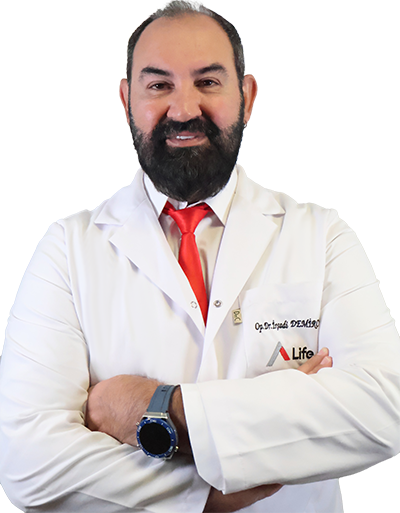
İrşadi Demirci
Op. Dr. İrşadi Demirci

Neurosurgery

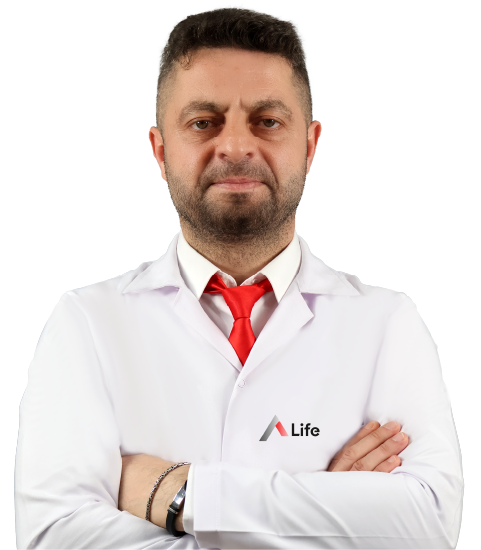
İskender Samet Daltaban
Op. Dr. İskender Samet Daltaban

Neurosurgery

Similar Contents

Do you need help?

We are here for all your questions and problems 24/7.