Vaginal Tightening Surgery

What is Vaginal Tightening Surgery?

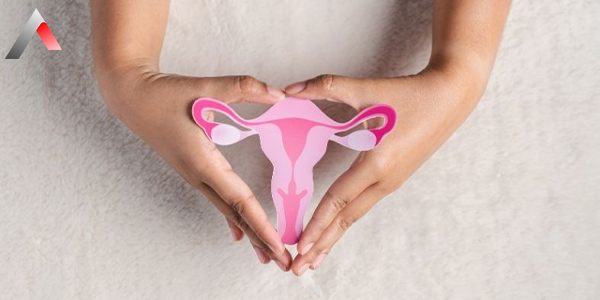
Vaginal tightening surgery, or vaginoplasty, is a surgical procedure performed to narrow the vaginal canal and strengthen the pelvic floor muscles. Loosening and widening of the vaginal tissue can occur due to childbirth, aging, or other reasons. This condition may reduce sexual pleasure for both the woman and her partner, cause urinary incontinence problems, and lead to a loss of self-confidence. Vaginal tightening surgery can help address these issues, enhance sexual satisfaction, prevent urinary leakage, and restore self-confidence.


Vajina_Daraltma_122f0ad6_2a85ca3c.webp

What Causes Vaginal Laxity?

The most common causes of vaginal laxity are:

  • Childbirth: During childbirth, the vagina expands to allow the baby to pass through. Although the vagina regains some of its shape after delivery, it may not return to its original tightness.
  • Aging: As age advances, the muscles and tissues supporting the vaginal walls can weaken and lose elasticity.
  • Menopause: During menopause, the decrease in estrogen hormone can lead to thinning and drying of the vaginal tissue, causing laxity.
  • Genetic factors: Some women are genetically more prone to vaginal laxity.
  • Excess weight: Excess weight can put pressure on the pelvic floor muscles, leading to their weakening.
  • Chronic coughing or constipation: These conditions can increase intra-abdominal pressure, causing weakening of the vaginal muscles.

Why Is Vaginal Tightening Surgery Performed?

Vaginal tightening surgery may be performed for the following reasons:

  • Postpartum vaginal laxity: During childbirth, the vaginal muscles and tissues stretch and expand. This can lead to vaginal laxity after delivery.
  • Aging: As age progresses, vaginal tissue loses elasticity and becomes lax.
  • Genetic factors: Some women are genetically more prone to vaginal laxity.
  • Menopause: During menopause, the decrease in estrogen hormone can cause thinning and laxity of the vaginal tissue.
  • Excess weight: Excess weight can put pressure on the pelvic floor muscles, leading to vaginal laxity.
  • Other causes: Pelvic surgery, chronic coughing, and constipation can also contribute to vaginal laxity.

Who Is Suitable for Vaginal Tightening Surgery?

Vaginal tightening surgery may be suitable for women in the following situations:

  • Decreased sensation or pleasure during sexual intercourse due to vaginal laxity
  • Vaginal noises (vaginal gas)
  • Urinary incontinence problems
  • Loss of self-confidence due to vaginal laxity
  • Women who are in good general health and have realistic expectations

Before Vaginal Tightening Surgery

Consultation and Examination:

Before the surgery, it is important to have a consultation with a gynecologist. Your doctor will perform a vaginal examination to assess the degree of vaginal laxity, determine your expectations and goals, and provide information about the appropriate techniques for you. In addition, your medical history, medications, and allergies will be evaluated.

Surgery Planning:

Your doctor will plan the surgery with you beforehand. This planning will determine the technique to be applied, the anesthesia method, and other details.

How Vaginal Tightening Surgery Is Performed

Anesthesia:

Vaginal tightening surgery is usually performed under local anesthesia or sedation. However, in some cases, general anesthesia may also be preferred.

Surgical Procedure:

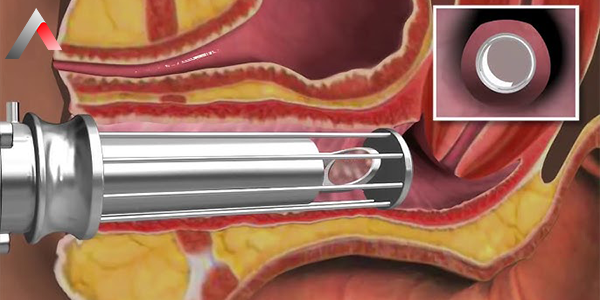
During the surgery, an incision is made at the vaginal opening, and the vaginal muscles are tightened. Excess vaginal tissue may be removed, and the perineal muscles can be repaired and strengthened. The surgical technique may vary according to the patient's needs.

Vajinoplasti_c8787c89_fb392712.webp

Vaginal Tightening Surgery Aftercare

Recovery Process:

After the surgery, swelling, bruising, and pain may occur in the vaginal area. These symptoms usually decrease within a few days. The recovery process may vary from person to person. During recovery, it is important to avoid heavy activities and follow your doctor's recommendations.

Care and Recommendations:

  • Follow your doctor's instructions for dressing changes and medication use.
  • Keep your stitches clean and dry.
  • Avoid irritating the vaginal area.
  • Wear loose and cotton underwear.
  • Attend follow-up appointments as advised by your doctor.

Sexual Intercourse:

It is generally recommended to avoid sexual intercourse for 4–6 weeks after surgery. This period is necessary for the vaginal tissues to heal completely.

Risks and Complications of Vaginal Tightening Surgery

As with any surgical procedure, vaginal tightening surgery carries certain risks and complications. These may include infection, bleeding, wound healing problems, loss of sensation, and pain. However, these complications are rare, and the risk is lower when the surgery is performed by an experienced surgeon.

Vaginal Tightening Surgery Prices

The prices of vaginal tightening surgery may vary depending on the surgeon's experience, the hospital where the surgery will be performed, the patient's condition, and other factors.

Vaginal Tightening Surgery at A Life Health Group

A Life Health Group has a team of experienced gynecologists specialized in vaginal tightening surgery. We offer personalized treatment plans using the latest technologies and methods. We provide comprehensive support and follow-up services to our patients before and after surgery.

Regain your sexual pleasure and confidence with A Life Health Group!

Prepared by A Life Medical Editorial Board.

Last Updated: 6 Kasım 2025 14:05

Publish Date: 30 Temmuz 2024 03:09

Vaginal Tightening Surgery

Quick Application Form

Please fill in the fields below so that we can reach you

Related Departments
Related Doctors
Similar Contents

Do you need help?

We are here for all your questions and problems 24/7.