
Laser Ablation

A Sensitive and Effective Solution for Excessive Bleeding

A Life Health Group aims to provide the latest knowledge and techniques in women’s health. Conditions such as excessive menstrual bleeding can significantly impact a woman’s quality of life. Laser ablation is an effective, minimally invasive method developed to address these bleeding issues. This comprehensive guide explains what laser ablation is, how it is performed, its advantages, risks, and post-procedure processes to help you make an informed decision.

Uterus and Endometrium Anatomy

The uterus is the central organ of the female reproductive system, supporting the fetus during pregnancy with its muscular structure. The inner lining of the uterus, called the endometrium, thickens each month in response to the menstrual cycle and is shed during menstruation.

  • Endometrial layer: Source of menstrual bleeding, regulated by hormones.
  • Hormonal effects: Estrogen and progesterone control the thickening and shedding of the endometrium.
  • Uterine muscular layer (myometrium): Enables contraction and relaxation of the uterus, helping regulate bleeding.
  • Vascular and nerve network: Both the endometrium and myometrium are richly supplied with blood vessels and nerves, contributing to bleeding and pain.

Excessive menstrual bleeding can result from abnormal thickening of the endometrium or other intrauterine pathologies. Laser ablation directly targets this tissue to effectively control menstrual bleeding.
Laser_Ablation_cdeb0541.webp

Menstrual Cycle and Bleeding Mechanisms

The menstrual cycle is a complex process regulated by hormonal changes. Throughout the cycle, the endometrium thickens, matures, and is shed through bleeding if the necessary hormonal support is not maintained after ovulation.

  • Follicular phase: The endometrium thickens under the influence of estrogen.
  • Ovulation: With ovulation, luteinizing hormone levels rise, preparing the endometrium for potential pregnancy.
  • Luteal phase: The endometrium is nourished by progesterone; if progesterone levels drop, bleeding begins.
  • Bleeding control: Uterine muscle contractions and clotting mechanisms regulate the intensity of bleeding.

In cases of excessive bleeding, these regulatory mechanisms are disrupted, significantly affecting a woman’s quality of life.

Causes of Excessive Menstrual Bleeding

Excessive bleeding, medically known as menorrhagia, refers to menstrual periods that last longer than the normal 3–7 days or result in abnormally high blood loss.

  • Fibroids: Benign muscular tumors in the uterus can increase bleeding.
  • Polyps: Small growths in the uterine lining can contribute to heavier bleeding.
  • Hormonal imbalances: Disruption in estrogen and progesterone levels can thicken the endometrium and cause excessive bleeding.
  • Clotting disorders: Genetic or acquired conditions affecting blood clotting can lead to increased bleeding.
  • Medications: Anticoagulants or hormonal therapies may raise the risk of heavy bleeding.
  • Infections: Chronic infections in the uterus or pelvic region can inflame the endometrium, increasing bleeding.

Laser ablation can control bleeding caused by these conditions in a minimally invasive manner.

What is Laser Ablation?

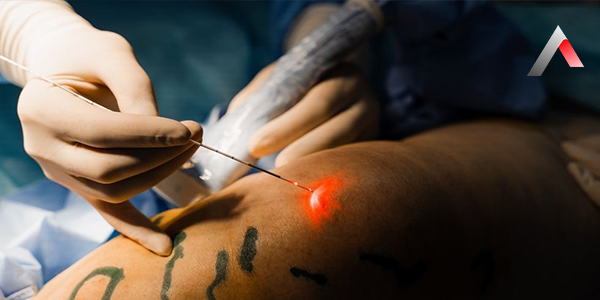
Laser ablation is a minimally invasive surgical procedure that destroys the endometrial tissue of the uterine lining using laser light. This effectively treats excessive menstrual bleeding.

  • Minimally invasive method: No abdominal incision is required; the device is inserted through the cervix.
  • Precise targeting: Only the endometrial tissue is affected, leaving surrounding tissues unharmed.
  • Rapid recovery: Patients are usually discharged the same day or after an overnight stay.

Laser ablation can be performed as an alternative to hysterectomy, preserving the uterus.

Who is Laser Ablation Suitable For?

This procedure is particularly preferred in the following cases:

  • Excessive menstrual bleeding: Women experiencing prolonged or heavy periods.
  • Anemia related to menstrual bleeding: Individuals developing iron deficiency or anemia due to blood loss.
  • Bleeding unresponsive to medication: Continued bleeding despite hormonal or other medical treatments.
  • Alternative to hysterectomy: Patients who do not want or are not suitable for complete uterine removal.

Details of Laser Ablation

  • Device and laser type: Various laser types (CO₂, Nd:YAG) can be used, each with different energy intensity and tissue penetration depth.
  • Combination with hysteroscopy: A hysteroscope ensures precise application of the laser to the targeted tissue.
  • Controlled application: The laser light is calibrated to destroy the endometrial layer evenly.
  • Safety measures: Advanced sensors in the device prevent uterine perforation and protect surrounding tissues.

Steps of Laser Ablation Procedure

  1. Anesthesia: General or spinal anesthesia is administered.
  2. Device placement: A thin hysteroscope and laser device are inserted through the cervix.
  3. Application of laser light: Laser light is applied to the endometrial layer in a controlled manner.
  4. Destruction of endometrium: The laser evenly destroys the targeted tissue.
  5. Device removal: After the procedure, the device is removed and the patient wakes up.

Preoperative Preparations

  • Medical history and examination: Previous uterine surgeries, bleeding history, and current health conditions are evaluated.
  • Laboratory tests: Blood count, coagulation tests, and hormone levels are checked.
  • Ultrasound and hysteroscopy: The uterine structure and the presence of fibroids or polyps are assessed.
  • Medication adjustments: Anticoagulant or hormonal medications may need to be modified before surgery.
Postoperative Recovery
  • Hospital stay: Usually same-day discharge or one overnight stay.
  • Pain management: Mild pain can be managed with prescription or over-the-counter medications.
  • Rest: Avoid heavy activities during the first few days.
  • Recovery time: Most patients return to normal activities within 1–2 weeks.
  • Sexual activity: Do not resume sexual intercourse without doctor’s approval.
Possible Complications
  • Bleeding: Mild spotting may occur after the procedure.
  • Infection: Uterine infections are rare but possible.
  • Uterine perforation: A very rare risk.
  • Repeat procedure: In some cases, laser ablation may need to be repeated.
Preoperative and Postoperative Recommendations
  • Before surgery: Evaluate the uterus with lab tests and ultrasound; adjust medications as needed.
  • After surgery: Start with light activities and attend all follow-up appointments.
  • Sexual activity: Resume gradually only with doctor’s approval.
  • Bleeding and pain: Mild bleeding and discomfort are normal during the first few days.
Patient Quality of Life and Psychological Benefits

Laser ablation positively impacts both physical and psychosocial well-being:

  • Reduced bleeding: Daily life, work, and social activities become easier.
  • Increased confidence: Women feel healthier and more comfortable.
  • Short hospital stay: Minimizes disruption to work and social life.
Laser Ablation at A Life Health Group

A Life Health Group has an experienced team of physicians specializing in women’s health. Laser ablation procedures are performed using the latest technology devices. Patients receive treatment in a safe and comfortable environment. Personalized treatment plans are prepared for each patient, and healthcare services are offered at affordable prices.

Thanks to laser ablation, women experiencing excessive bleeding can quickly return to their daily lives and improve their quality of life.

Prepared by A Life Medical Editorial Board.

Last Updated: 6 Kasım 2025 14:05

Publish Date: 29 Eylül 2024 12:50

Laser Ablation

Quick Application Form

Please fill in the fields below so that we can reach you

Related Departments
Related Doctors
Similar Contents

Do you need help?

We are here for all your questions and problems 24/7.